
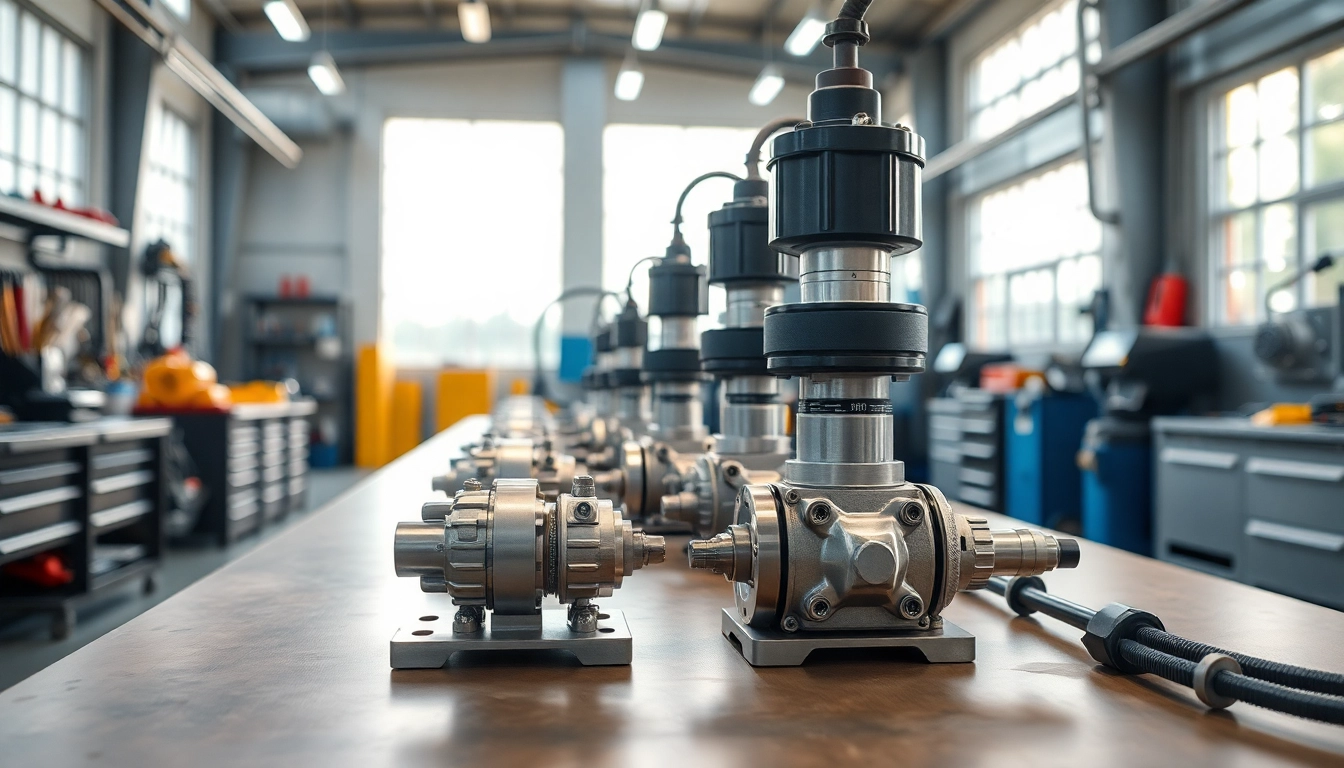
The Basics of Fluid Power Systems
What Are Fluid Power Systems?
Fluid power systems are technology platforms that employ pressurized fluids to generate, control, and transmit power for a wide range of applications. Fluid power systems utilize hydraulic or pneumatic systems to facilitate movement and perform work efficiently. Characteristically, hydraulic systems use liquids, while pneumatic systems rely on gases. Commonly recognized for versatility and robustness, these systems are integral to various sectors, particularly manufacturing and construction. The significance of fluid power systems is particularly pronounced due to their ability to provide high power density and flexibility in control mechanisms.
Key Components of Fluid Power Systems
Understanding the fundamental components of fluid power systems is essential for the design and operational efficiency of these systems. Below are the primary components:
- Reservoir: This is the tank that stores the hydraulic fluid and helps maintain consistent fluid levels.
- Pumps: Pumps convert mechanical energy into hydraulic energy, creating the flow of pressurized fluid throughout the system.
- Actuators: Actuators, such as hydraulic cylinders or pneumatic cylinders, convert the hydraulic energy back into mechanical energy, providing motion and work output.
- Valves: Valves control the direction, pressure, and flow rate of the fluid, enabling precise operations.
- Filters: Filters are essential for maintaining fluid cleanliness, preventing contamination that could damage components.
How Fluid Dynamics Work in These Systems
Fluid dynamics play a crucial role in the performance of fluid power systems. The principles governing the behavior of fluids under various conditions influence how effectively the system operates. Key concepts include:
- Bernoulli’s Principle: This principle explains how the pressure of a fluid decreases as its velocity increases and is pivotal in valve and actuator design.
- Pascal’s Law: This law states that pressure applied to an enclosed fluid is transmitted undiminished throughout the fluid. This principle is foundational for hydraulic systems that amplify force.
- Flow Rate: The volumetric flow rate of the fluid directly impacts the speed and force of the actuators and is critical when determining system performance.
Applications of Fluid Power Systems
Fluid Power Systems in Construction Equipment
Construction equipment heavily relies on fluid power systems for efficient operation. Equipment like excavators, bulldozers, and cranes utilize hydraulic pumps and cylinders to lift heavy loads and perform complex maneuvers. The power and efficiency offered by hydraulic systems allow for greater control over complex tasks at construction sites, enhancing productivity and safety.
Role in Manufacturing Automation
Within manufacturing, fluid power systems are integral to automation processes such as assembly lines and robotic handling. Pneumatic systems are often employed in high-speed applications requiring rapid motions, while hydraulic systems are preferred for tasks requiring significant force, such as pressing or stamping operations. The precision and reliability of these systems contribute to overall operational efficiency and reduced downtime.
Use in Aerospace Engineering
In aerospace engineering, fluid power systems are paramount for applications from flight control systems to landing gears. Both hydraulic and pneumatic systems are crucial for moving and controlling various aircraft components. The safety and reliability required in aerospace applications necessitate advanced fluid power systems capable of functioning in demanding environments while maintaining stringent performance criteria.
Designing Effective Fluid Power Systems
Basic Principles of System Design
The effectiveness of a fluid power system is heavily influenced by its design principles. A well-designed system should focus on optimizing the flow path, enhancing pressure, and minimizing energy losses. Designers must also consider the operational environment, expected loads, and acceptable levels of leakage while ensuring maintainability and accessibility of components.
Choosing the Right Components
Selecting the right components is critical in ensuring operational efficiency and longevity of fluid power systems. It involves considering factors such as the operating pressure limits, fluid compatibility, and environmental conditions. Moreover, matching components such as pumps, actuators, and valves with the specific requirements of the task helps in achieving optimal performance. Utilizing reputable suppliers and manufacturers also enhances reliability.
Common Design Challenges and Solutions
Walnut the design stage, engineers may encounter challenges such as space constraints, fluid contamination, and system noise. Solutions can include compact component configurations, employing high-quality filters to prevent contamination, and designing quieter systems through vibration dampening technologies. Incorporating simulation tools in the design phase can help anticipate such challenges before they arise.
Maintaining Fluid Power Systems
Regular Maintenance Practices
Regular maintenance is vital for maximizing the performance and lifespan of fluid power systems. Scheduled inspections should include checking fluid levels, evaluating filter conditions, and looking for signs of leaks or wear on components. Additionally, flushing the fluid system periodically helps to remove contaminants that can lead to system failure.
Identifying Common Issues
Common issues in fluid power systems include leaks, overheating, and loss of pressure. Identifying these issues early on is crucial. Regular monitoring of pressure readings, visual inspections for leaks, and maintaining appropriate fluid temperature can help in early detection. Equipped with the right knowledge and tools, maintenance teams can diagnose and address these problems effectively.
Best Practices for Longevity
To ensure longevity, operators should adopt best practices such as using the correct hydraulic fluids, following manufacturer-recommended practices for maintenance, employing the right actuators for specific tasks, and providing training for personnel on proper system use. Implementing predictive maintenance strategies using data analytics offers insights for proactive system upkeep, ultimately prolonging the life of the system.
Future Trends in Fluid Power Systems
Innovations Driving the Industry Forward
Several innovations are shaping the future of fluid power systems. Advancements in materials technology are leading to lighter, more efficient components. The introduction of energy-efficient designs and smart actuators that adjust based on demand is another trend. Furthermore, the use of simulation software for design and predictive maintenance is becoming increasingly common in enhancing the performance of fluid power systems.
Environmental Impact and Sustainability
As industries become more conscious of their environmental impact, sustainability in fluid power systems is gaining attention. This includes the development of bio-based hydraulic fluids, which are less harmful to the environment. Energy-efficient systems that reduce power consumption and innovations in recycling used fluids contribute to minimizing ecological footprints and promoting sustainability.
Integration with IoT and Automation Technologies
The integration of Internet of Things (IoT) technologies into fluid power systems is revolutionizing how industry operations can be monitored and managed. Real-time data collection and analysis allow for better decision-making, predictive maintenance, and enhanced operational efficiency. Automation technologies combined with reliable fluid power systems promise to streamline factory processes and reduce human error.
Frequently Asked Questions
1. What are the benefits of using fluid power systems?
Fluid power systems offer high power density, flexibility in control, smooth operation, and are effective for heavy lifting and precise tasks across various industries.
2. How do I maintain my fluid power system?
Regular inspections, checking fluid levels and filters, monitoring for leaks, and flushing the system help in maintaining fluid power systems effectively.
3. What types of fluids are used in fluid power systems?
Hydraulic oils, water-based fluids, and pneumatic gases are commonly used in fluid power systems, selected based on the specific application requirements.
4. Can I use biodegradable fluids in fluid power systems?
Yes, biodegradable hydraulic fluids are available and are increasingly used to reduce environmental impact without compromising performance.
5. What role does design play in fluid power systems?
Effective design ensures efficient operation, minimal energy loss, and ease of maintenance, resulting in longer lifespan and optimal performance of fluid power systems.