Understanding Cape Cod Home Architecture
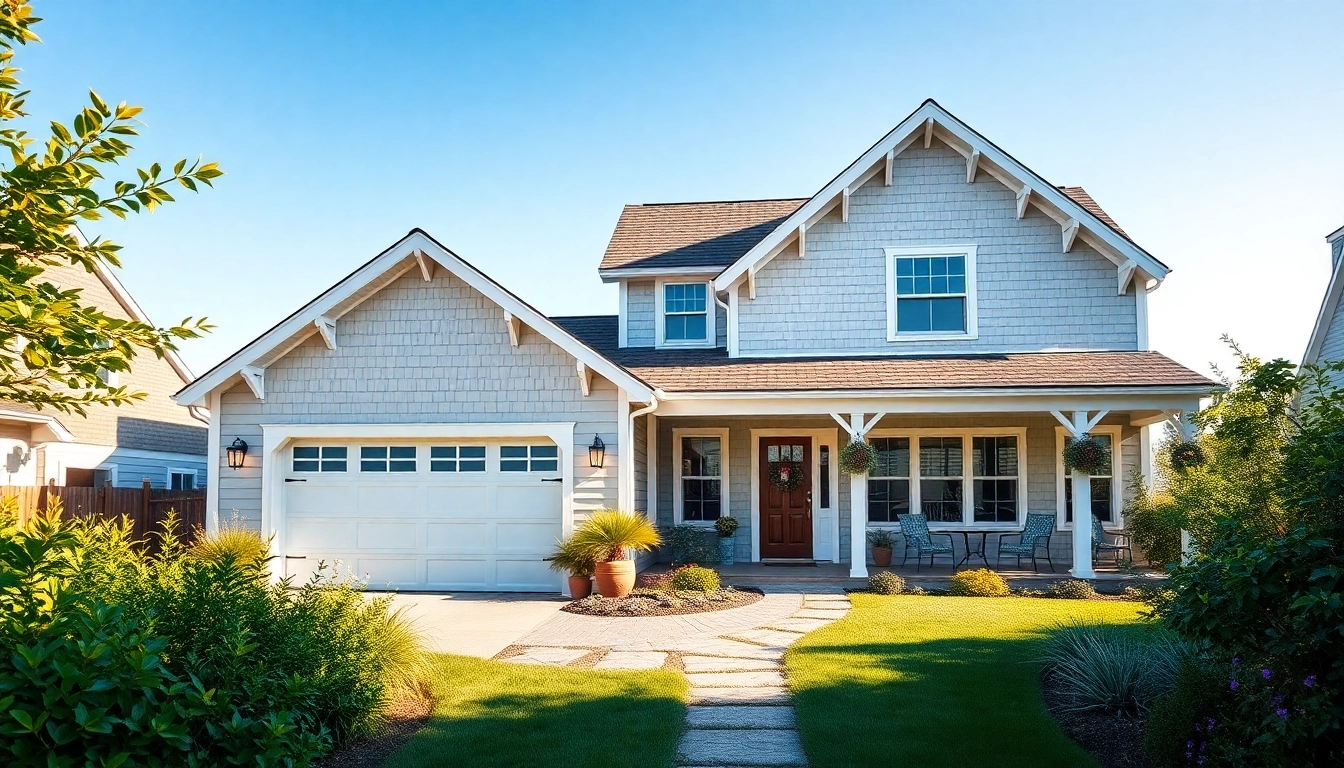
The cape cod home is a timeless architectural style that evokes a sense of coastal charm, simplicity, and practicality. Rooted in New England’s early colonial history, this home design cleverly combines function with aesthetic appeal, resulting in residences that are both inviting and easy to maintain. Cape Cod homes are distinguished by their steep roofs, symmetrical designs, and dormer windows, which not only enhance their visual character but also improve functionality and space utilization.
Features of Cape Cod Homes
One of the hallmark characteristics of Cape Cod homes is their quaint yet practical features. These include:
- Steep Roofs: Designed to withstand heavy snowfall, the steep pitch of the roof helps snow slide off easily.
- Symmetrical Facades: A classic Cape Cod home often features a centered front door flanked by evenly spaced windows, promoting balance and harmony.
- Wood Shingle Siding: Often painted in muted, natural tones, wood shingles provide both aesthetic appeal and durability against the harsh coastal weather.
- Chimneys: Prominently placed, chimneys are not only visually striking but also historically significant, originally designed for central heating.
- Dormer Windows: These windows add extra space and allow natural light to filter into the upper levels, also contributing to the home’s iconic look.
Design Principles for Modern Homes
The design of modern Cape Cod homes has evolved to integrate contemporary living with traditional aesthetics. Key principles that guide the modern interpretation include:
- Simplified Lines: Modern designs often use clean lines and minimal ornamentation, focusing on the beauty of simplicity.
- Open Spaces: Emphasizing a sense of openness, modern Cape Cod homes typically feature open floor plans that enhance connectivity between living spaces.
- Sustainable Materials: With an increasing focus on sustainability, many modern homes incorporate eco-friendly materials, while still maintaining the architectural style.
- Integration with Nature: Large windows and sliding doors create a seamless transition between indoor and outdoor spaces, promoting natural light and views of the surrounding environment.
Historical Influences on Cape Cod Architecture
The Cape Cod style emerged in the early 17th century, influenced by the practical needs of early settlers. The design is a result of British colonial heritage, featuring elements that prioritize preservation and practicality in response to harsh New England winters. Over time, local adaptations have led to variations in style and ornamentation, but the core principles of function and form remain unchanged.
Maximizing Space in Your Cape Cod Home
Maximizing space in the often compact design of a Cape Cod home can be challenging yet rewarding. Effective use of space creates a more functional and enjoyable living environment. Here are some strategies to achieve this:
Effective Small Space Solutions
In a Cape Cod home, every square inch counts. Below are effective strategies you can implement to optimize space:
- Multi-Functional Furniture: Invest in pieces that serve multiple purposes, such as ottomans with storage or bed frames with built-in drawers.
- Vertical Storage: Utilize vertical space with tall bookcases or shelving units, taking advantage of walls that often become underutilized.
- Under-Stair Storage: The area under staircases can serve as additional storage or even a small reading nook, maximizing the home’s functionality.
- Light Colors: Use light and neutral colors on walls and furniture to create an illusion of more space, enhancing airflow and light throughout the house.
Innovative Garage Integration Strategies
As homeowner needs evolve, integrating a garage into the flow of a Cape Cod home can enhance functionality without sacrificing its aesthetic appeal. Here are some innovative strategies:
- Attached vs. Detached Garages: An attached garage allows easy access to the home while saving space. It can be designed to flow seamlessly with the architecture of the house.
- Conversion of Existing Spaces: Consider converting basements or large attic areas into functional garage spaces, providing additional room for vehicles or storage.
- Garage Portico Designs: A portico that connects the garage to the main entrance not only visually links the structures but also provides functional shelter from the elements.
Creating Open Floor Plans
Open floor plans are integral in modern home designs, allowing for more natural interaction and movement within the home. Here are some tips for successfully implementing open concepts in your Cape Cod home:
- Remove Non-Structural Walls: Identify necessary load-bearing walls and consider removing non-structural ones to create a more open space.
- Flow Between Rooms: Ensuring that your kitchen, dining, and living areas flow into one another can create an inviting atmosphere perfect for gatherings.
- Use of Furniture Layout: Positioning large furniture pieces strategically can delineate spaces without the need for physical barriers.
Enhancing Curb Appeal for Your Cape Cod Home
Curb appeal is crucial when it comes to making a lasting first impression. For Cape Cod homes, enhancing this aspect can significantly elevate their charm and value. Here are key areas to focus on:
Landscape Design Ideas
The landscaping of a Cape Cod home plays a vital role in enhancing its exterior appeal. Here are some ideas to implement:
- Native Plantings: Select native plants that thrive in the local climate, providing natural beauty and requiring minimal maintenance.
- Walkways and Patios: Stone pathways or charming patios can create inviting outdoor spaces, linking different areas of your garden.
- Seasonal Color: Plan for seasonal flowers and plants to ensure that your landscape remains vibrant and colorful throughout the year.
Exterior Color Schemes to Consider
The color palette of a Cape Cod home should echo its coastal surroundings while maintaining a classic aesthetic. Popular color choices include:
- Soft Blues and Greens: These colors reflect the ocean and foliage, integrating the home into its natural environment.
- Warm Neutrals: Shades like taupe, beige, and white are timeless, offering a clean and inviting vibe.
- Contrasting Trim: Dark or bright trim can enhance an exterior color, framing windows and doors beautifully.
Lighting Enhancements for Visual Interest
Lighting can dramatically transform the exterior of a home, particularly at night. Consider these enhancements:
- Pathway Lighting: Use solar-powered lights or lanterns along pathways to guide visitors and create a welcoming atmosphere.
- Highlighting Features: Illuminate architectural details, such as dormer windows or the front door, with focused spotlights.
- String Lights: Adding string lights to porches or gardens can create a cozy, enchanting ambiance.
Sustainable Practices for Cape Cod Architecture
In today’s environmentally-conscious world, sustainable practices are essential in architecture. For Cape Cod homes, incorporating eco-friendly elements can lead to better energy efficiency and environmental stewardship:
Utilizing Eco-Friendly Materials
To create a sustainable Cape Cod home, consider using materials that are renewable, durable, and have a low environmental impact:
- Sustainable Wood Sources: Use certified timber from responsibly managed forests.
- Recycled Materials: Facades made from recycled metals or reclaimed woods are not only eco-friendly but add distinctive character.
- Low-VOC Paints: Paints that emit low levels of volatile organic compounds improve indoor air quality and reduce environmental harm.
Energy Efficiency in Design
Design choices directly impact the energy efficiency of a home. Here are ways to enhance energy performance:
- Insulation: Invest in high-quality insulation to create a thermal envelope, reducing heating and cooling costs.
- Energy-Efficient Windows: Utilize double or triple-glazed windows to minimize heat loss while maximizing natural light.
- Solar Panels: Consider integrating solar panels into the roof design to harness renewable energy sources.
Landscaping for Sustainability
Sustainable landscaping not only enhances aesthetics but also promotes ecological health. Essential strategies include:
- Rain Gardens: Implement rain gardens to manage stormwater runoff, enhancing both beauty and functionality.
- Permeable Paving: Use permeable materials for driveways and pathways to allow for natural water absorption.
- Drought-Resistant Gardens: Create landscapes with native plants that require less water and maintenance.
FAQs about Cape Cod Home Designs
What are the key features of a Cape Cod home?
Key features include steep roofs, symmetrical facades, dormer windows, and wood shingle siding, all combining for a quaint and functional design.
How can I maximize space in a small Cape Cod home?
Utilize multi-functional furniture, vertical storage solutions, and create open floor plans to make the best use of your available space.
What colors work best for Cape Cod exteriors?
Soft blues, warm neutrals, and contrasting trim colors are popular choices that enhance the coastal charm of a Cape Cod home.
How do I maintain the classic look of a Cape Cod home?
Preserve historic features, use traditional materials, and maintain a balanced facade with symmetrical design elements to sustain its classic appeal.
Are there sustainable building materials for Cape Cod homes?
Yes, options include sustainably sourced wood, recycled materials, and low-VOC paints, all supporting environmentally-friendly construction.