
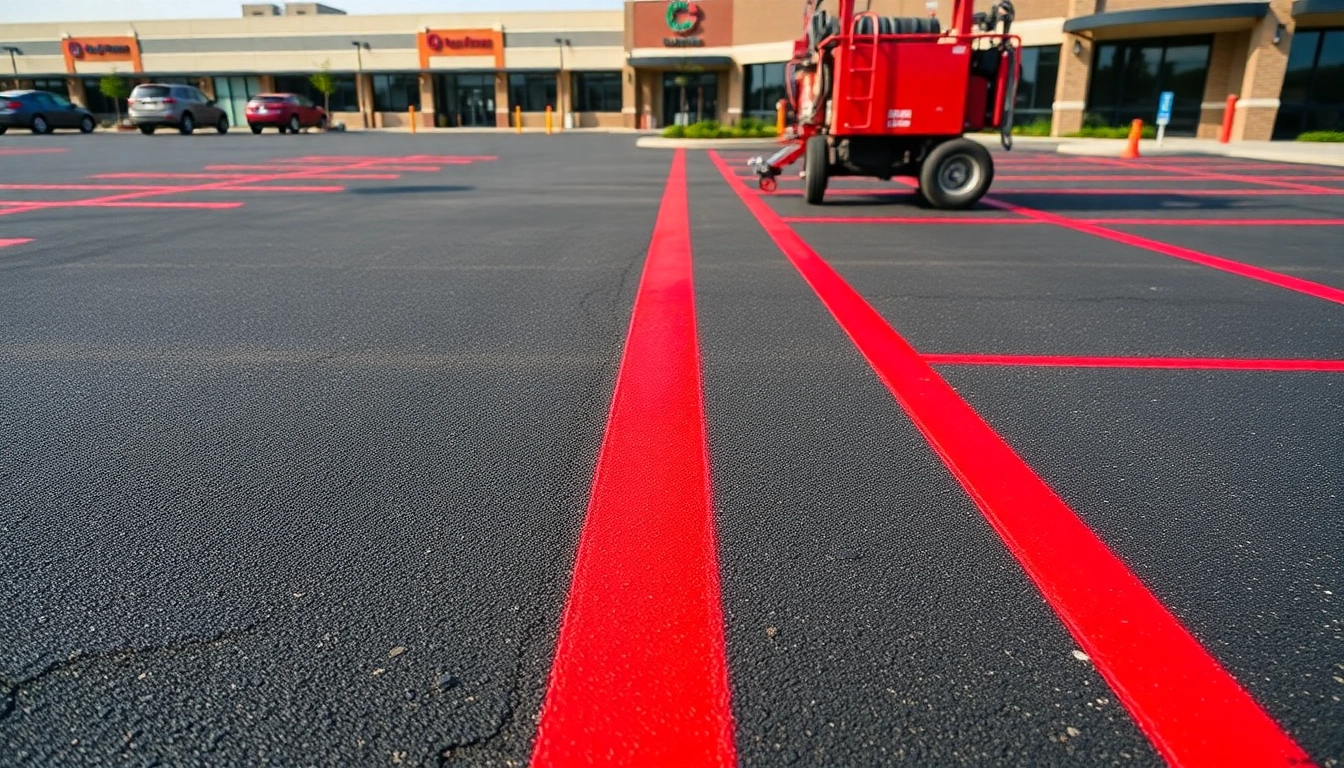
Understanding Fire Lane Striping Jackson MS
What is Fire Lane Striping?
Fire lane striping refers to the process of marking designated areas where emergency vehicles can access buildings during a fire or other emergency situations. These lanes are crucial for ensuring that fire and rescue teams can quickly and effectively reach critical areas without obstruction. Proper fire lane striping includes distinctive colors, typically red, along with clear and visible signage that indicates no parking in these zones. One key aspect of Fire lane striping Jackson MS is compliance with local regulations, which dictate specific requirements for size, color, and messaging within these lanes.
Importance of Fire Lane Striping
The primary importance of fire lane striping lies in its role in public safety. When emergency situations arise, every second counts. Properly marked fire lanes enable swift access for emergency responders, thus minimizing the risk of property damage and saving lives. Additionally, visible markings deter unauthorized parking, which can obstruct timely rescue efforts. Furthermore, fire lane striping also plays a significant part in legal liability; property owners have a responsibility to maintain clear access for emergency services to avoid potential legal repercussions in case of accidents or delays.
Regulatory Guidelines for Fire Lane Striping
In Jackson, MS, the regulations governing fire lane striping are outlined by local ordinances and the National Fire Protection Association (NFPA) standards. These guidelines specify the colors, dimensions, and symbols that must be used. For example, fire lanes typically need to be painted in bright red with white lettering, ensuring high visibility. Compliance with these regulations not only enhances safety but also helps in avoiding fines or penalties that come with non-compliance. Regular inspections and updates to fire lane striping also ensure that they remain visible and effective over time.
Choosing the Right Materials for Fire Lane Striping Jackson MS
Overview of Striping Paint Types
When it comes to selecting materials for fire lane striping, the type of paint used can make a significant difference in terms of durability and visibility. Generally, there are two main categories of striping paint: water-based and oil-based. Water-based paints are eco-friendly and easier to clean while offering decent durability. Oil-based paints, on the other hand, provide superior adhesion and longevity, making them the preferred choice for high-traffic areas where robustness is paramount. It’s crucial to select a paint that adheres well to the surface and resists fading from sunlight or wear over time.
Durability and Longevity Considerations
The durability of fire lane striping is essential for maintaining safety standards. Depending on traffic volume, weather conditions, and surface type, some materials may last longer than others. Engaging with professional striping services can provide insights into the most suitable options for a particular area. Additionally, ensuring that the surface is adequately prepared before application can lead to better adhesion and longevity of the markings, allowing the striping to endure various environmental factors.
Environmental Impact of Striping Materials
As the concern for environmental sustainability grows, many striping companies now offer eco-friendly paint options that minimize harmful emissions and environmental impact. These paints not only comply with local regulations but also contribute to greener practices within construction and maintenance. When selecting materials for fire lane striping, it’s beneficial to consider the environmental footprint of these products, which can enhance community pride and support local sustainability initiatives.
Best Practices for Fire Lane Striping Jackson MS
Optimal Layout and Design
Creating an optimal layout for fire lane striping involves understanding the traffic flow, types of vehicles that will typically access the area, and proximity to building entrances. Ideally, fire lanes should be located as close as possible to the building while maintaining adequate turning radiuses for large emergency vehicles. Additionally, strategic placements of signage and visual markings enhance awareness among drivers, clearly indicating designated fire lane areas.
Seasonal Considerations for Striping
Fire lane striping should take seasonal weather changes into account. For instance, humidity and rainfall can affect the curing time of paint, and colder temperatures can hinder effective application. The optimal time for striping in Jackson, MS is during warmer months when the weather is more conducive to drying and curing the paint. Seasonal planning can prevent premature wear and ensure that markings remain visible during peak usage times.
Common Mistakes to Avoid
Despite the best intentions, there are common mistakes that can compromise the effectiveness of fire lane striping. Firstly, inadequate surface preparation can result in poor adhesion, leading to premature wear or peeling. Additionally, failing to comply with local codes or inadequately sizing lanes can lead to legal issues or functional inefficiencies. It’s crucial to engage experienced professionals to avoid these pitfalls and ensure compliance with strict guidelines.
The Process of Fire Lane Striping Jackson MS
Preparation Steps for Striping
The preparation process for fire lane striping typically involves a thorough assessment of the area. This includes cleaning the surface to remove dirt, debris, and any existing markings. Depending on the surface material (asphalt, concrete), different cleaning techniques may be necessary. Furthermore, evaluating local regulations and determining optimal striping layouts ensures that the installation process can be executed seamlessly.
Execution of Striping Process
The execution phase of fire lane striping involves precisely applying the chosen paint materials according to predetermined layouts. This process must be carried out under optimal weather conditions to ensure proper adhesion and longevity of the markings. Professional equipment, such as striping machines, offers consistent line widths and clear definitions to promote high visibility and compliance with regulations. Additionally, allowing sufficient drying time before subjecting the lanes to traffic is critical.
Post-Striping Maintenance and Evaluation
Once fire lane striping has been completed, ongoing maintenance and evaluation are essential for long-term effectiveness. Regular inspections should be conducted to identify any fading, chipping, or blockage of fire lane access. Addressing these issues promptly ensures that the lanes continue to serve their purpose effectively. Proper maintenance practices not only uphold safety standards but can also extend the lifespan of the markings, resulting in cost savings over time.
Frequently Asked Questions about Fire Lane Striping Jackson MS
What are the regulations for fire lane striping?
Regulations for fire lane striping in Jackson, MS require specific colors, dimensions, and signage as per local ordinances and NFPA standards.
How long does fire lane paint last?
The longevity of fire lane paint varies based on materials and environmental factors, but it generally lasts between 1 to 3 years before requiring touch-ups.
Can I do fire lane striping myself?
While DIY projects are possible, hiring professionals is recommended due to compliance challenges, surface preparation, and proper application techniques.
What colors are used in fire lane striping?
Fire lanes are typically painted in bright red with white lettering to ensure maximum visibility and compliance with safety regulations.
How much does fire lane striping cost in Jackson, MS?
The cost of fire lane striping varies based on factors such as size, materials, and labor but generally ranges from $1 to $3 per linear foot.