
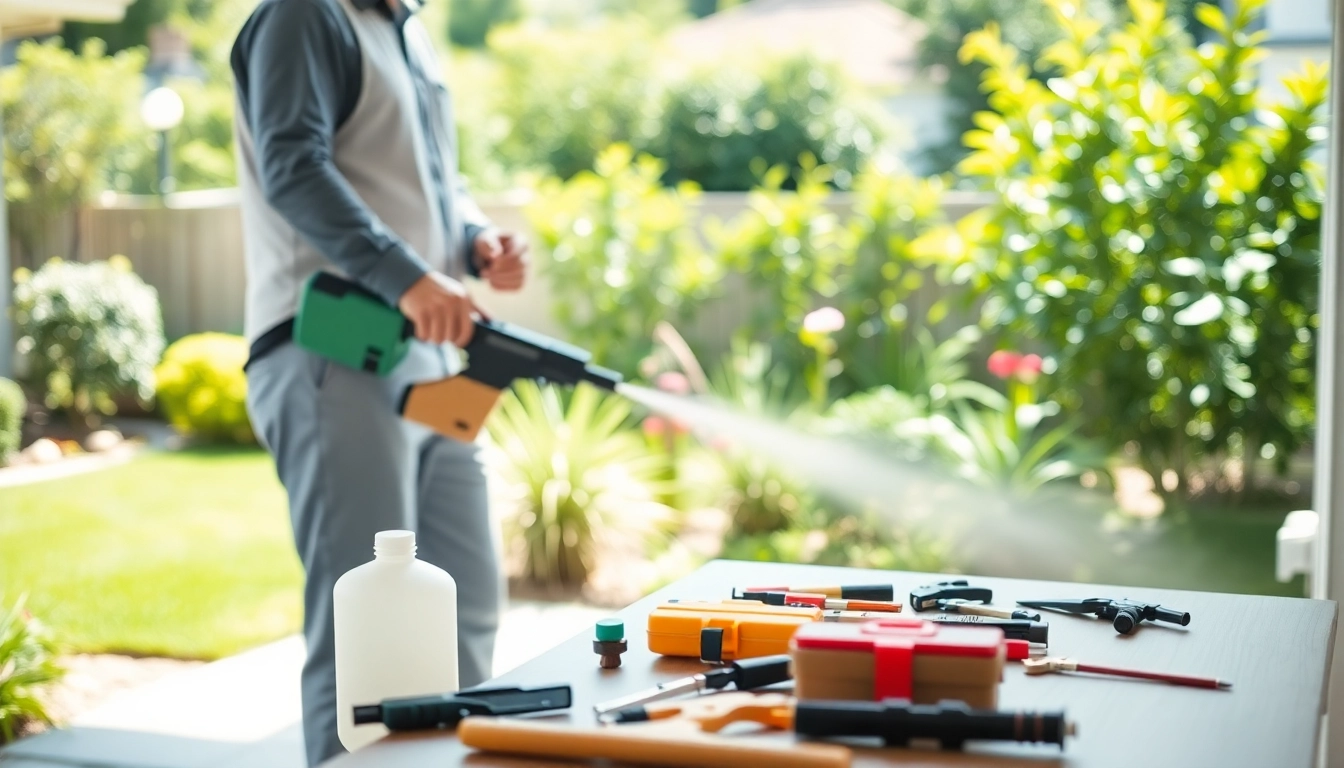
Understanding Perimeter Bug Protection
What is Perimeter Bug Protection?
Perimeter bug protection refers to a comprehensive strategy designed to create a barrier around a home or property, safeguarding it from unwanted pests. This method employs a combination of physical barriers, chemical treatments, and ongoing maintenance to reduce the likelihood of insects infiltrating your living space. Utilizing techniques like targeted pesticide application along the exterior boundaries, homeowners can significantly diminish the presence of various pest species, enhancing comfort and safety within the home.
Why is It Essential for Homeowners?
Home ownership comes with the responsibility of maintaining a safe and healthy environment for those who reside within. Perimeter bug protection serves as a vital defense against pests that can cause structural damage, health concerns, or simply ruin outdoor enjoyment. By investing in this protective measure, homeowners can avert potentially expensive repairs caused by pests like termites or rodents, while also enjoying peace of mind knowing they have reduced exposure to biting insects that transmit diseases.
Common Pests Managed with Perimeter Bug Protection
Effective perimeter bug protection can help control a variety of pests. Among the most common are:
- Ants: These social insects can invade homes in search of food and can quickly establish colonies inside walls or under floors.
- Spiders: While many spiders are harmless, their presence can be unsettling, and certain varieties can deliver venomous bites.
- Mosquitoes: Known for their ability to transmit diseases such as West Nile Virus and Zika, a mosquito-free environment is crucial for homeowners.
- Termites: Often called “silent destroyers,” termites can cause significant structural damage before being detected. Prompt perimeter measures are vital.
- Rodents: Mice and rats can carry diseases and often invade homes in search of food and shelter.
Assessing Your Home’s Vulnerabilities
Identifying Entry Points
The first step in strengthening your property against pests is a thorough inspection to identify potential entry points. Common entry areas include:
- Cracks and Gaps: Look for cracks in the foundation, gaps around windows, doors, and even areas where utilities enter the home.
- Ventilation Systems: Ensure that vents are securely covered and installed with tight mesh to prevent entry.
- Roof and Eaves: Inspect for missing shingles or openings where pests could infiltrate from above.
Once these points of vulnerability are identified, addressing each point will significantly enhance your overall perimeter protection strategy.
Evaluating Landscape Features
Your home’s landscaping can inadvertently invite pests if not properly managed. Evaluate the following landscape features:
- Vegetation Close to the Home: Ensure trees, shrubs, and their branches are trimmed back, offering less shelter to pests.
- Water Features: Stagnant water attracts mosquitoes. Clear debris regularly from ponds or birdbaths.
- Mulch and Wood Piles: Keep mulch a distance from the foundation and store firewood away from the house to minimize habitat for insects.
Using Tools to Assess Risk Levels
Employing various tools can facilitate a comprehensive assessment of your home’s pest vulnerability. Consider using:
- Inspection Cameras: These can help identify hidden gaps and damage.
- Pest Detectors: Devices that can alert you to the presence of pests can be invaluable.
- Moisture Meters: High humidity levels can signal a conducive environment for pests like termites.
Implementing Perimeter Bug Protection Techniques
Choosing the Right Products
When it comes to selecting products for perimeter bug protection, the market provides numerous options tailored to specific pest types. Main categories include:
- Pesticides: Chemical sprays can create a protective barrier. Always choose EPA-approved products and follow label instructions for safe use.
- Natural Repellents: Ingredients like peppermint oil or diatomaceous earth can deter certain pests without harmful chemicals.
- Physical Barriers: Using screens, mesh, and caulking can prevent pest entry effectively.
Professional vs. DIY Approaches
Deciding between a professional pest control service and a do-it-yourself approach depends on several factors, such as the extent of the infestation, cost considerations, and personal experience:
- Professional Services: Often necessary for severe infestations or pest types requiring specialized treatment.
- DIY Approaches: Can be effective for minor issues. Thorough research is crucial to effectively implement DIY methods.
Seasonal Maintenance Tips
Constant vigilance is required for effective perimeter bug protection. Seasonal maintenance guidelines include:
- Spring: Inspect and repair any damage from winter, ensuring your protective barriers are intact.
- Summer: Monitor for pest activity and reapply treatments as necessary, focusing on high-risk areas.
- Autumn: Seal any cracks and consider preventive treatments as many pests seek shelter as temperatures drop.
- Winter: Conduct routine checks to ensure that materials used for barriers have not degraded or become less effective.
Measuring the Effectiveness of Your Strategy
Key Performance Indicators for Bug Control
To determine the success of your perimeter bug protection, establish key performance indicators such as:
- Pest Population Monitoring: Evaluate the number and type of pests observed in and around your home.
- Damage Assessment: Monitor structural integrity and signs of pest-related damage.
- Cost Analysis: Compare the costs of pest control measures against damages or infestations over time.
Signs of Effective Perimeter Bug Protection
The effectiveness of your protection measures can be visible in multiple ways:
- Reduction in Visible Pest Presence: Fewer insects spotted indoors and outdoors can indicate successful protection.
- Minimal Structural Damage: No signs of infestation in walls, wood, or structural elements suggest well-implemented barriers.
- Positive Feedback from Inhabitants: Enhanced comfort reported by residents indicates successful mitigation.
Adjusting Your Approach Based on Outcomes
Regularly reviewing your bug protection strategy is crucial for adapting to new challenges. Consider:
- Environmental Changes: Adjustments may be needed based on seasonal patterns or introduced landscaping elements.
- Pest Resistance: If certain pests persist, consider rotating products or employing alternative methods.
- Ongoing Education: Stay updated on pest trends in your region to effectively tailor your approach.
Frequently Asked Questions (FAQs)
What is the best time to apply perimeter bug protection?
Applying perimeter bug protection is most effective during early spring or late summer, matching the active seasons of many pests.
Can I use natural products for perimeter bug protection?
Yes, there are various natural pest repellents available, though their effectiveness may vary compared to synthetic options.
How often should I reapply perimeter bug protection?
Reapplication is usually recommended every 30 to 90 days, depending on environmental factors and pest activity.
Is perimeter bug protection safe for pets?
Many perimeter bug protection products are pet-friendly; however, always check the label for safety guidelines before application.
What types of pests can perimeter bug protection keep away?
It effectively deters ants, spiders, mosquitoes, and other common pests by creating a barrier around your home.