
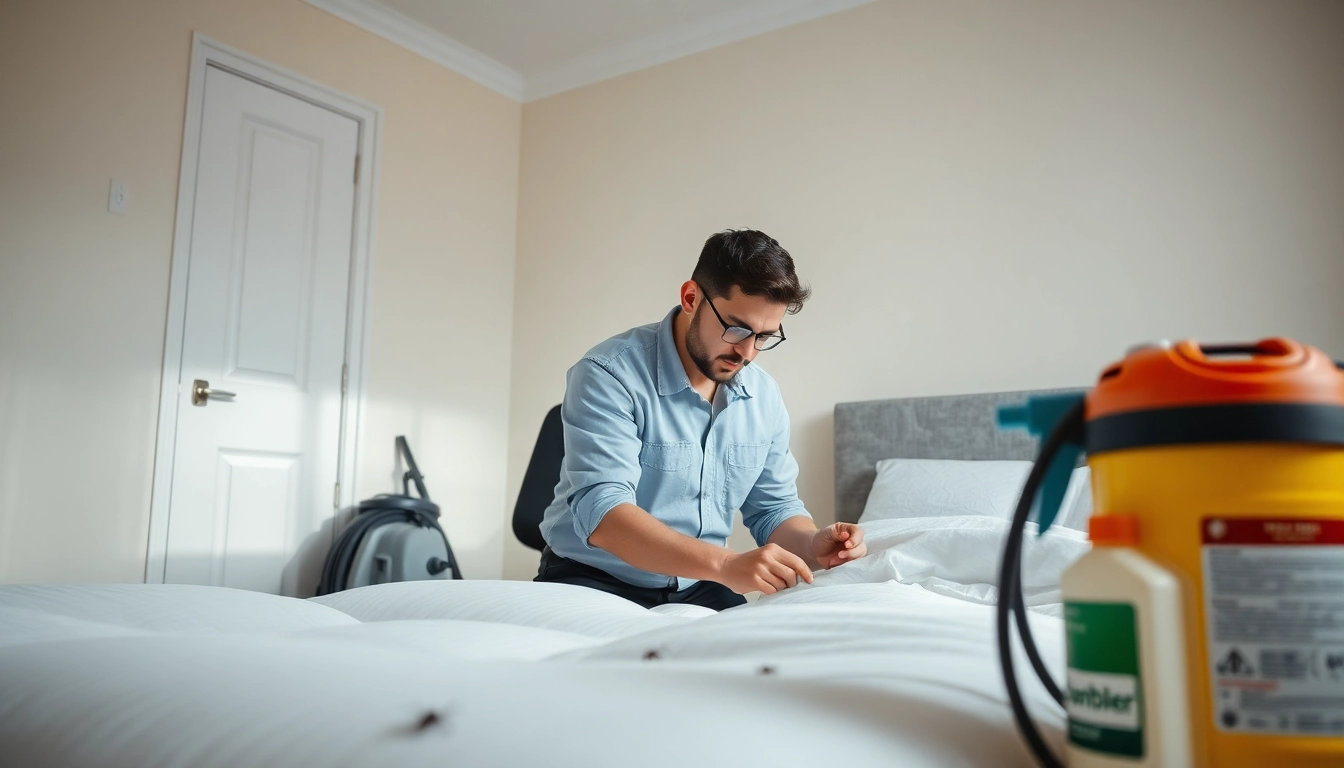
Understanding Bed Bugs and Their Impact
Bed bugs are tiny, brownish insects that feed on the blood of humans and animals. These pests are notorious for their resilience and can infest homes incredibly quickly, leading to widespread discomfort and stress for those affected. Effective bed bug removal is essential to ensure a restful sleep and a healthy living environment. In this comprehensive guide, we will delve into recognizing bed bugs, understanding the hazards they pose, and exploring the best strategies for affirming their removal.
What Are Bed Bugs?
Bed bugs, known scientifically as Cimex lectularius, are small, wingless insects belonging to the Cimicidae family. These pests thrive in human habitats, preferring places where people sleep or rest. Adult bed bugs are typically a quarter of an inch long, reddish-brown, and have a flat, oval-shaped body. They are nocturnal creatures, feeding primarily at night while their hosts are asleep. Each female bed bug can lay up to five eggs daily, causing infestations to escalate rapidly if not treated effectively.
Main Signs of Infestation
Identifying a bed bug infestation is critical for prompt action. Here are the main signs to look for:
- Visible Bugs: Spotting adult bed bugs or their shed skins in bedding, mattresses, or nearby furniture.
- Blood Stains: Small, dark stains on bedding or upholstery, often resulting from crushed bed bugs after feeding.
- Fecal Matter: Dark, spotting droppings or fecal stains on sheets or surfaces where bed bugs reside.
- Unpleasant Odor: A musty smell that can indicate a heavy infestation, caused by the scent glands of bed bugs.
Health Risks Associated with Bed Bugs
While bed bugs are not known to transmit diseases, their bites can lead to various health issues:
- Itching and Inflammation: Bed bug bites often cause red and itchy welts, leading to discomfort and sleep disruption.
- Secondary Infections: Scratching bites can cause skin infections, as open wounds become susceptible to bacteria.
- Allergenic Reactions: Some individuals may experience allergic reactions to bed bug saliva, necessitating medical attention.
Identifying the Best Bed Bug Removal Methods
Successfully eliminating bed bugs involves understanding various treatment methods. There is no one-size-fits-all solution; therefore, it’s crucial to review and select the best approach for your specific situation.
Heat Treatment: How It Works
Heat treatment is a widely recognized method for bed bug eradication. This technique involves raising the temperature in the infested area to a level lethal to bed bugs (typically around 130°F or 54°C). The heat penetrates fabrics and surfaces, killing all life stages of bed bugs, including eggs, within a few hours. It’s considered a highly effective treatment but may require professional assistance to ensure thoroughness.
Chemical Treatments and Safety
Chemical insecticides can also play a vital role in bed bug removal. Various formulations exist, including sprays, powders, and foggers. When choosing chemical treatments, it’s important to:
- Follow Instructions: Always adhere strictly to the manufacturer’s instructions to ensure safety and effectiveness.
- Consider Safety: Some chemicals can be harmful to pets or children, so it’s best to consult with professionals to select safer alternatives.
- Rotate Treatments: To prevent resistance buildup, consider rotating the types of insecticides used.
Natural Remedies for Bed Bug Removal
For those seeking eco-friendly options, natural remedies can serve as effective alternatives, especially for small infestations. Some popular methods include:
- Essential Oils: Oils like tea tree, lavender, and peppermint can help repel bed bugs when diluted and sprayed in infested areas.
- Diatomaceous Earth: This natural powder dehydrates bed bugs upon contact, slowly killing them over time.
- Vacuuming: Regular vacuuming of infested areas, including carpets, furniture, and bedding, can help reduce bed bug populations.
Step-by-Step Guide to Effective Bed Bug Removal
Implementing a structured approach to bed bug removal significantly increases the likelihood of complete eradication. Here’s a step-by-step guide:
Preparing Your Home for Treatment
Preparation is key to successful bed bug removal. Follow these preparatory steps:
- Declutter your space to minimize hiding spots for bed bugs.
- Wash and dry all bedding, clothing, and washable fabrics in hot water to kill any bugs present.
- Use vacuum cleaners to thoroughly clean areas where bed bugs congregate, including around the bed and baseboards.
- Seal off infested items in plastic bags to prevent cross-contamination.
Executing Home Treatments Effectively
Whether you opt for professional treatments or decide to handle it yourself, execution should be systematic:
- If using heat treatment, ensure all areas reach the required temperature consistently.
- Apply chemical treatments with a focus on areas where bugs hide such as cracks, crevices, and infested furniture.
- For natural remedies, apply them consistently and follow up as needed to break the bed bug lifecycle.
Post-Treatment Follow-Up Actions
After treatment, monitoring is crucial to ensure the infestation no longer persists:
- Continue checking common hiding spots and remain vigilant for any signs of bed bugs.
- Consider using mattress and box spring encasements to trap any remaining bed bugs and prevent future infestations.
- Schedule follow-up treatments if needed, especially after chemical spraying.
Preventing Future Bed Bug Infestations
After successfully eradicating bed bugs, preventive measures can help in ensuring they do not return. Here are some valuable tips:
Best Practices for Household Maintenance
Regular maintenance of your home can hinder bed bugs’ ability to thrive:
- Vacuum regularly, particularly in areas where clothing is stored and around sleeping areas.
- Reduce clutter to minimize potential hiding spots within your home.
- Seal gaps in walls, floors, and furniture to eliminate potential entry points for bed bugs.
Travel Tips to Avoid Bringing Bed Bugs Home
Travel is a significant risk factor for bed bug infestations; thus, consider these precautions when staying away from home:
- Inspect hotel rooms for signs of infestation before settling in.
- Keep luggage elevated from the floor on luggage racks or counters.
- Wash and dry clothes immediately upon returning home to kill any bed bugs that may have come along.
Regular Inspections and Monitoring
The importance of regular inspections cannot be overstated. Implement these practices:
- Conduct quarterly inspections of your home, focusing on common hiding spots.
- Use mattress and box spring encasements to monitor for any potentially new infestations.
- Stay informed about the latest bed bug trends and control strategies.
FAQs About Bed Bug Removal
What kills bed bugs instantly?
Products containing 95% alcohol can kill bed bugs on contact. Additionally, steam treatment at 130°F can also eliminate them quickly.
How long does bed bug removal take?
Bed bug removal can take anywhere from a few days to several weeks, depending on the severity of the infestation and the methods used.
Can I treat bed bugs on my own?
While DIY methods can be effective for minor infestations, professional treatment is often necessary for extensive cases for full eradication.
Are bed bug removal methods safe for pets?
Many professional treatments are safe for pets, but it’s best to consult your exterminator for specific recommendations before treatment.
How can I prevent bed bugs from coming back?
Regularly inspect your home, declutter, and use protective covers on mattresses and box springs to help prevent future infestations.