Understanding Construction Site Safety
Definition and Importance of Construction Site Safety
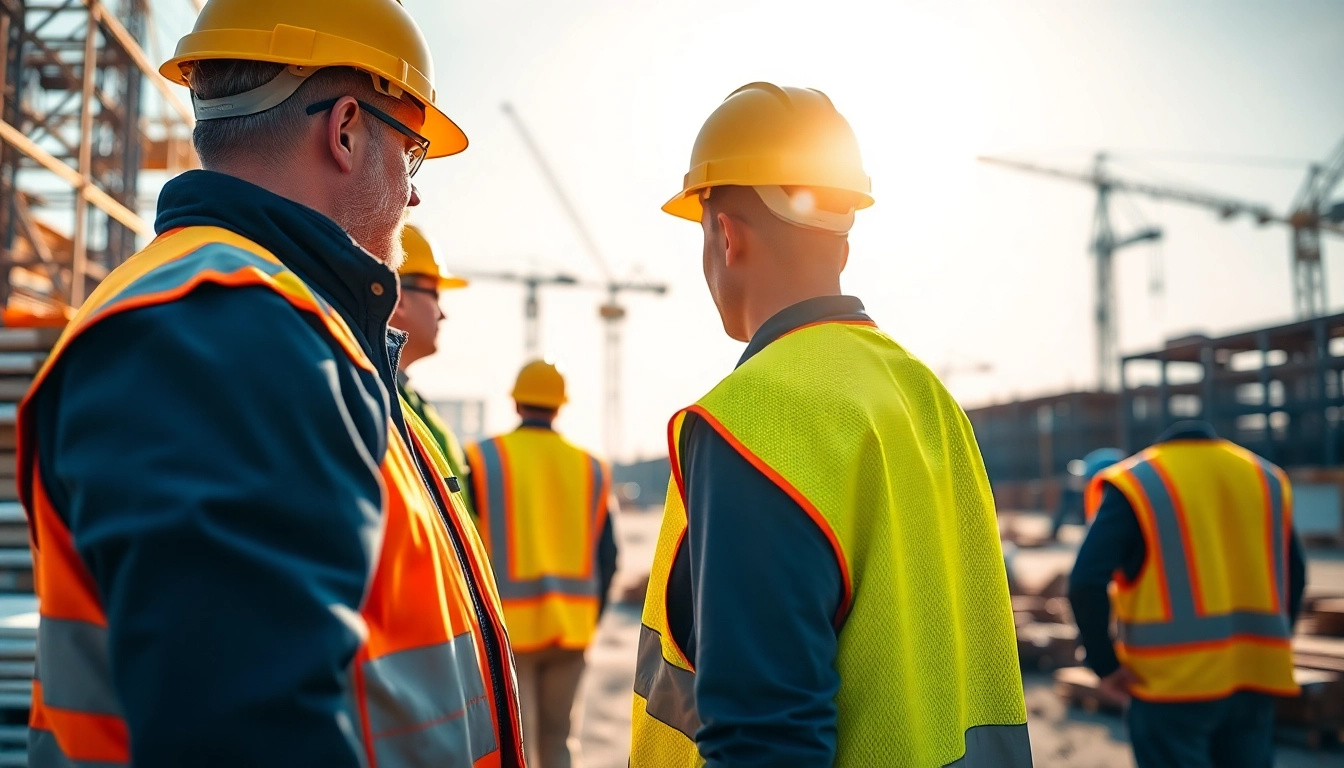
Construction site safety refers to the practices and regulations designed to prevent accidents and injuries on construction sites. It encompasses everything from proper use of personal protective equipment (PPE) to comprehensive safety plans that mitigate hazards. The importance of construction site safety cannot be overstated, as it plays a crucial role in protecting workers’ health, ensuring project efficiency, and complying with legal requirements.
Common Risks on Construction Sites
Construction sites are rife with potential hazards. Some of the most common risks include:
- Falls: These are the leading cause of death in the construction industry, often resulting from scaffolding or ladder use.
- Electrical hazards: Exposure to live wires or faulty equipment can lead to severe injuries or fatalities.
- Equipment accidents: Heavy machinery poses risks, especially when not operated correctly.
- Being struck by objects: This can occur when tools or materials fall from heights or when workers are in the path of moving equipment.
Recognizing these risks is the first step toward creating an effective safety plan.
Legal Framework and Compliance
Compliance with safety regulations is not a mere suggestion but a legal requirement in most jurisdictions. Agencies like OSHA (Occupational Safety and Health Administration) set provisions to ensure worker safety. Companies must be aware of these regulations and ensure their policies align with legal standards to avoid fines and ensure worker protection. Understanding local laws and incorporating them into safety training is vital for compliance and fostering a safety-first environment.
Key Components of a Safety Plan
Hazard Identification and Assessment
Creating a robust safety plan begins with identifying potential hazards on site. This involves a comprehensive assessment of the environment, equipment, and work processes. Employers should conduct regular site inspections and engage workers in identifying dangers. Utilizing checklists during these assessments can improve accuracy and thoroughness in spotting risks that may have otherwise gone unnoticed. Additionally, the implementation of a reporting system encourages open communication about safety concerns among workers.
Safety Training and Briefings
Training is an essential aspect of construction site safety. Workers need to understand the risks they may face and the best practices to mitigate these risks. Comprehensive training sessions should include:
- Proper use of PPE
- Emergency procedures
- Safe operation of machinery
- Recognition of hazards
Regular safety briefings should also be held to keep the team informed about ongoing risks and updates to safety protocols.
Emergency Response and Planning
An effective safety plan must include a robust emergency response framework. This entails preparation for potential emergencies such as fires, accidents, or natural disasters. Key components include:
- Emergency contact lists
- Evacuation procedures
- First aid training for staff
- Regular drills to ensure readiness
Having these elements in place ensures that, in case of an incident, workers can respond quickly and efficiently, minimizing injuries and chaos.
Implementing Effective Safety Protocols
Personal Protective Equipment (PPE) Guidelines
The proper use of personal protective equipment (PPE) is critical to reducing injuries on construction sites. Guidelines for PPE should include:
- Assessment of needs based on specific tasks
- Provision of suitable equipment
- Regular inspections and maintenance of gear
- Comprehensive training on PPE usage
By adhering to PPE guidelines, workers can significantly reduce their risk of injury and health issues while on site.
Site Safety Inspections and Audits
Regular site inspections and audits play a vital role in maintaining a high standard of safety. These should be performed by trained safety personnel to identify any lapses in safety protocols. Effectively documenting these inspections helps track improvements over time and can be used to validate the effectiveness of current safety practices.
Reporting and Documentation Practices
Accurate reporting and documentation are essential for maintaining a clear record of safety practices on construction sites. All incidents, near misses, and safety violations should be documented thoroughly. This practice not only helps in identifying patterns that need addressing but is also critical for compliance with regulatory standards. Building a culture of accountability among workers regarding safety reporting is equally important.
Technology in Construction Site Safety
Wearable Safety Technology
Advancements in technology have introduced innovative tools to enhance construction site safety. Wearable safety technology, such as smart helmets and vests, provide workers with real-time data on their surroundings, alerting them to hazards. These devices can monitor vital signs and fatigue levels, giving managers insights into workers’ health and safety. Implementing this technology can lead to a significant reduction in onsite accidents.
Site Management Software for Safety Tracking
Site management software facilitates the tracking of safety performance metrics, incidents, and compliance with protocols. This software allows managers to analyze data, identify areas for improvement, and keep detailed records of safety measures in place. Utilizing such technology can streamline communication and enhance overall safety culture.
Virtual Reality for Safety Training
Virtual reality (VR) offers a revolutionary way to train workers in a safe and engaging environment. VR simulations can recreate hazardous situations, allowing workers to learn how to respond to various emergencies without real-world consequences. This immersive training method can significantly enhance retention of safety protocols and boost confidence amongst workers when faced with actual risks.
Monitoring and Improving Safety Performance
Key Performance Indicators for Safety
Monitoring safety performance through key performance indicators (KPIs) is essential for implementing effective safety measures. Common KPIs include:
- Incident rates
- Days away from work due to injury
- Near misses
- Safety training completion rates
Tracking these metrics over time helps organizations to gauge the effectiveness of their safety protocols and make informed decisions for improvements.
Feedback Mechanism for Continuous Improvement
A feedback mechanism encourages workers to share their thoughts and suggestions regarding site safety. Regularly soliciting input fosters a culture of safety where everyone feels involved and empowered to contribute. Implementing a process to act on this feedback is vital for continuous improvement and demonstrates to workers that their safety is a priority.
Safety Culture: Building Commitment Across Teams
Developing a strong safety culture is critical for sustaining high safety standards. This involves fostering an environment where safety is prioritized, and all team members—from management to laborers—are committed to maintaining safety protocols. Regularly communicating the importance of safety, recognizing safe behaviors, and reinforcing training can enhance this culture over time, leading to lasting safety improvements.
FAQs
FAQ 1: What are the top hazards at construction sites?
Common hazards include falls, electrical issues, equipment accidents, and being struck by objects.
FAQ 2: How often should safety training be conducted?
Safety training should be conducted regularly, especially when new hazards or equipment are introduced.
FAQ 3: What is the role of PPE in construction site safety?
PPE protects workers from injuries and enhances their safety during construction activities.
FAQ 4: Why is monitoring necessary for safety performance?
Monitoring helps identify trends, reduce incidents, and improve overall safety practices.
FAQ 5: How can technology improve construction site safety?
Technology aids in hazard detection, training simulations, and real-time safety management.