
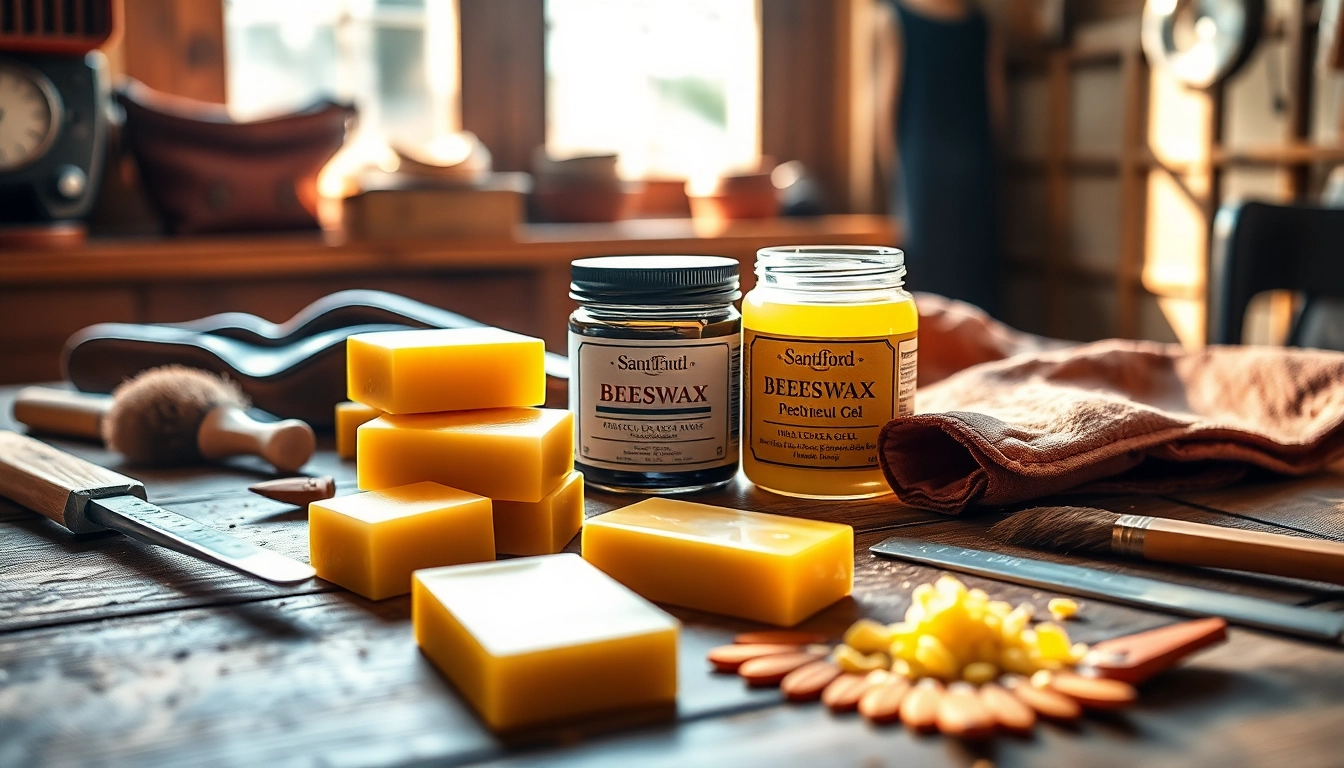
Understanding Beeswax vs. Petroleum-based Leather Dressings
When it comes to keeping leather goods like boots, bags, and jackets in prime condition, choosing the right dressing is critical. One popular debate in leather care is the comparison between Beeswax vs. Petroleum-based leather dressings. This article aims to provide a comprehensive analysis of both options, focusing on their properties, benefits, and suitability for various leather types.
What is Beeswax?
Beeswax is a natural wax produced by honey bees. It is known for its impressive emollient properties and is often used in various cosmetic and personal care products. When it comes to leather care, beeswax acts as a protective barrier, providing moisture retention and enhancing the leather’s suppleness. The natural composition of beeswax contains healing properties, often including essential fats and esters that can benefit the structure of leather.
What is Petroleum-based Dressing?
Petroleum-based dressings typically consist of hydrocarbon compounds derived from the refining process of crude oil. Commonly found in many commercial leather care products, petroleum dressings act primarily as a moisture barrier. However, while these products are effective in conditioning leather, they can sometimes lead to adverse effects such as damaging stitching due to chemical interactions. Unlike beeswax, petroleum does not offer healing compounds and can leave a heavy residue.
How Do They Compare?
The comparison of beeswax and petroleum-based dressings can be distilled into several key categories: composition, functionality, sustainability, and long-term effects on leather’s health. Beeswax is a wholly natural product, while petroleum-based options are synthetic, leading to potential risks regarding skin compatibility and environmental impact. Generally, beeswax serves as both a conditioner and sealant, while petroleum primarily conditions, often with less efficacy.
Benefits of Using Beeswax for Leather Dressing
Natural Emollient Properties
Beeswax is renowned for its natural emollient properties. It effectively softens leather, allowing it to remain pliable and resistant to cracking. This natural lubrication not only enhances the external appearance of leather but also fortifies its inner fibers, protecting against wear and aging.
Moisture Retention
One of the standout features of beeswax is its exceptional moisture-retaining capabilities. By forming a breathable barrier, beeswax allows leather to “breathe” while preventing excessive moisture loss. This is particularly essential in environments that expose leather to frequent temperature variations or moisture.
Environmentally Friendly Options
As consumers grow increasingly concerned about environmental sustainability, beeswax emerges as a leading candidate for eco-friendly leather care. Being a natural substance, it is biodegradable and typically does not pose the same ecological threats as petroleum-based options. As such, beeswax is a choice for conscientious consumers seeking to reduce their environmental footprint.
Drawbacks of Petroleum-based Leather Dressings
Potential Chemical Concerns
Petroleum-based dressings raise concerns due to their chemical composition. Some petroleum products can irritate skin, especially for those with sensitivities. Furthermore, these products can contain synthetic additives that may pose risks to both the leather and the user’s health.
Impact on Leather Longevity
Though effective at moisturizing, petroleum can ultimately shorten leather’s lifespan. As the residues build up over time, they can become stiff or gummy, leading to eventual deterioration. This is in stark contrast to beeswax, which nourishes leather while allowing it to remain flexible.
Sustainability Issues
The extraction processes for petroleum products harm our planet, and these materials often intersect with broader environmental issues, including oil spills and greenhouse gas emissions. The result is a growing demand for natural alternatives, such as beeswax, that can fulfill similar roles without causing environmental damage.
Application Techniques for Beeswax and Petroleum Products
How to Apply Beeswax on Leather
To apply beeswax effectively, start with clean, dry leather. If the beeswax is solid, consider warming it to soften it for easy application. Use a soft cloth or your fingers to rub a small amount into the leather surface, allowing it to penetrate softly. Following application, buff the leather with a clean cloth to enhance shine and remove excess residue. Ideally, this should be done every few months or as needed, depending on exposure conditions.
Using Petroleum Creams Effectively
When applying petroleum-based dressings, ensure that the leather is free from dirt and moisture. Using a clean cloth, apply sparingly and evenly. Unlike beeswax, petroleum products might require more frequent reapplication to maintain effectiveness. It’s advisable to follow up with a thorough cleaning to avoid buildup that can harm leather integrity.
Mixing Techniques for Optimal Results
Many enthusiasts and experts advocate for mixing beeswax with other oils to enhance its applicability. By combining beeswax with natural oils like olive or coconut oil, you can create a more malleable product that penetrates leather more easily. This blend allows the benefits of both ingredients to work synergistically, making application easier and more effective.
Frequently Asked Questions about Leather Dressings
1. Can beeswax replace petroleum-based dressings?
Yes, beeswax can effectively replace petroleum-based dressings, offering both conditioning and waterproofing benefits without harmful chemicals.
2. How often should I condition leather?
It is generally recommended to condition leather every 3-6 months, depending on usage and environmental factors.
3. Is beeswax safe for all types of leather?
Yes, beeswax is safe for most types of leather, although it’s wise to test a small area first, especially on delicate or treated leathers.
4. What should I avoid when using petroleum on leather?
Avoid applying petroleum products in excess, as they can build up and lead to a sticky residue that may compromise leather integrity over time.
5. How do I choose between beeswax and petroleum products?
Consider factors like your ecological values, leather type, and desired protection level. Beeswax tends to be the safer, more effective choice long-term.