
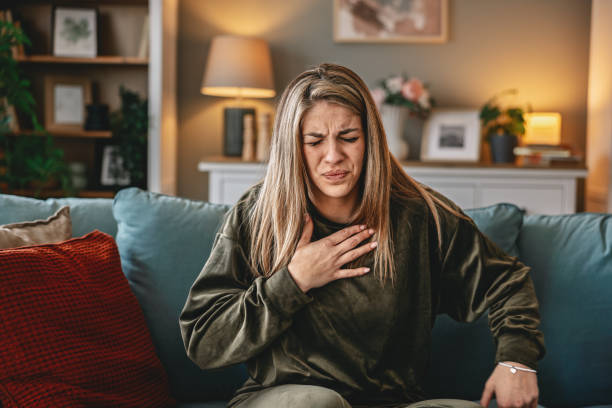
Anxiety is a natural and often helpful response to stress. It prepares the body to face challenges, respond to danger, and stay alert in uncertain situations. However, when anxiety becomes overwhelming, persistent, or disproportionate to the situation, it may begin to interfere with daily life. Understanding anxiety symptoms is essential for recognizing when normal stress crosses into a more serious concern.
At Calm Minds Hub, our mission is to provide clear, evidence-based insights into emotional health and personal development. This guide explores the full spectrum of Anxiety symptoms, from subtle early signs to more severe manifestations, while offering guidance on when to seek professional help. With awareness and the right support, anxiety can be managed effectively, allowing individuals to regain control and improve their quality of life.
Understanding Anxiety and Its Role in Mental Health
Anxiety is not inherently harmful. In fact, it plays a critical role in survival by activating the body’s “fight-or-flight” response. This reaction increases heart rate, sharpens focus, and prepares muscles for action. In small doses, anxiety can enhance performance, motivation, and awareness.
However, persistent or excessive anxiety may indicate an underlying mental health condition. Disorders such as generalized anxiety disorder, panic disorder, social anxiety disorder, and phobias are characterized by chronic and intense anxiety symptoms that extend beyond normal stress responses. These conditions can affect emotional wellbeing, relationships, and overall functioning.
Common Emotional Anxiety Symptoms
Emotional changes are often among the earliest indicators of anxiety. These anxiety symptoms may not always be visible to others but can deeply impact how a person feels and interacts with the world.
Individuals experiencing anxiety often report a constant sense of worry or dread. This worry may not always have a clear cause, yet it persists and feels uncontrollable. Irritability is another common emotional response, where even minor inconveniences can trigger disproportionate reactions. Feelings of restlessness and an inability to relax can also signal underlying anxiety.
Additionally, many people struggle with a sense of impending doom or fear that something bad is about to happen. This emotional state can be exhausting and may lead to difficulty concentrating, as the mind becomes preoccupied with anxious thoughts.
Physical Anxiety Symptoms and Their Impact
Anxiety does not only affect the mind; it also manifests physically. The body responds to perceived threats, even when they are not real or immediate. Recognizing physical anxiety symptoms is crucial, as they are often mistaken for other health conditions.
Common physical signs include a rapid heartbeat, shortness of breath, sweating, and muscle tension. Some individuals may experience dizziness, headaches, or gastrointestinal issues such as nausea or stomach pain. These symptoms can be distressing and may lead to further anxiety, creating a cycle that is difficult to break.
Chronic anxiety can also weaken the immune system, disrupt sleep patterns, and contribute to long-term health issues. Over time, untreated anxiety symptoms may significantly impact overall physical wellbeing.
Cognitive Anxiety Symptoms
Cognitive patterns play a significant role in anxiety. The way individuals think and interpret situations can either alleviate or intensify their distress. Cognitive anxiety symptoms often involve persistent negative thinking and difficulty managing intrusive thoughts.
People with anxiety may engage in excessive rumination, repeatedly going over the same worries without reaching a resolution. Catastrophic thinking is also common, where individuals expect the worst possible outcomes, even in relatively harmless situations. This mindset can lead to heightened stress and reduced confidence in decision-making.
Memory and concentration can also be affected. Anxiety can make it difficult to focus on tasks, process information, or retain new knowledge. These cognitive challenges can interfere with academic, professional, and personal responsibilities.
Behavioral Anxiety Symptoms
Behavioral changes are another important aspect of anxiety. These anxiety symptoms often develop as coping mechanisms but may ultimately reinforce the condition.
Avoidance is a common behavior, where individuals steer clear of situations that trigger anxiety. While this may provide temporary relief, it can limit opportunities and reinforce fear over time. Social withdrawal is another frequent response, as individuals may feel overwhelmed or uncomfortable in social settings.
Procrastination and difficulty completing tasks can also arise from anxiety. The fear of failure or making mistakes may lead to avoidance, further increasing stress levels. In some cases, individuals may develop compulsive behaviors as a way to manage their anxiety.
Subtle and Hidden Anxiety Symptoms
Not all anxiety symptoms are immediately obvious. Some individuals experience subtle signs that may go unnoticed for long periods. These hidden symptoms can be just as impactful as more visible ones.
Perfectionism is one such example, where individuals set excessively high standards and become overly critical of themselves. This constant pressure can lead to chronic stress and dissatisfaction. Overthinking is another hidden symptom, characterized by analyzing situations excessively and struggling to make decisions.
Physical habits such as nail-biting, fidgeting, or pacing may also indicate underlying anxiety. Additionally, individuals may experience unexplained fatigue due to the constant mental and physical strain associated with anxiety.
Anxiety Symptoms in Different Age Groups
Anxiety can affect individuals at any stage of life, but the presentation of anxiety symptoms may vary depending on age.
In children, anxiety may manifest as excessive clinginess, frequent crying, or difficulty separating from caregivers. Adolescents may experience increased irritability, academic pressure, and social anxiety. Adults often face anxiety related to work, relationships, and financial responsibilities.
Older adults may experience anxiety related to health concerns, loss of independence, or major life changes. Understanding these variations is essential for recognizing and addressing anxiety symptoms effectively across different age groups.
When Do Anxiety Symptoms Become a Disorder?
Occasional anxiety is normal, but persistent and intense anxiety symptoms may indicate a disorder. The key difference lies in the frequency, duration, and impact on daily life.
If anxiety interferes with routine activities, relationships, or work performance, it may be time to seek professional evaluation. Symptoms that persist for several weeks or months, or those that worsen over time, should not be ignored.
Additionally, experiencing panic attacks, severe physical symptoms, or overwhelming fear may signal a more serious condition. Early intervention can prevent symptoms from escalating and improve long-term outcomes.
Risk Factors and Causes of Anxiety Symptoms
The development of anxiety symptoms is influenced by a combination of biological, psychological, and environmental factors. Understanding these causes can help individuals identify potential triggers and seek appropriate support.
Genetics play a role, as individuals with a family history of anxiety disorders may be more susceptible. Brain chemistry and hormonal imbalances can also contribute to anxiety.
Life experiences, such as trauma, stress, or major life changes, are significant factors. Chronic stress, unresolved emotional issues, and negative thought patterns can further increase the likelihood of developing persistent anxiety symptoms.
The Importance of Early Recognition
Recognizing anxiety symptoms early is crucial for effective management. Early intervention can prevent symptoms from becoming more severe and reduce the risk of developing additional mental health conditions.
Awareness allows individuals to seek help, adopt healthy coping strategies, and make lifestyle changes that support emotional wellbeing. Ignoring symptoms, on the other hand, can lead to increased distress and long-term complications.
Treatment Options for Anxiety Symptoms
There are several effective approaches to managing anxiety symptoms, and treatment often involves a combination of methods tailored to individual needs.
Therapy is one of the most common and effective treatments. Cognitive-behavioral therapy helps individuals identify and change negative thought patterns, while other therapeutic approaches focus on emotional regulation and stress management.
Medication may be prescribed in some cases to help regulate brain chemistry and reduce symptoms. It is important to consult a qualified healthcare professional before starting any medication.
Lifestyle changes also play a significant role. Regular exercise, a balanced diet, adequate sleep, and mindfulness practices can all contribute to reducing anxiety symptoms and improving overall wellbeing.
Self-Help Strategies for Managing Anxiety
While professional support is important, individuals can also take proactive steps to manage anxiety symptoms in their daily lives.
Practicing relaxation techniques such as deep breathing, meditation, and progressive muscle relaxation can help calm the mind and body. Establishing a routine and setting realistic goals can provide a sense of structure and control.
Limiting exposure to stressors, maintaining social connections, and engaging in enjoyable activities can also support emotional health. Developing healthy coping mechanisms is essential for long-term management of anxiety.
When to Seek Professional Help
Knowing when to seek help is a critical aspect of managing anxiety symptoms. While mild anxiety can often be managed independently, certain signs indicate the need for professional intervention.
If symptoms are persistent, severe, or interfere with daily life, it is important to consult a mental health professional. Experiencing panic attacks, suicidal thoughts, or an inability to function normally requires immediate attention.
Seeking help is a sign of strength, not weakness. With the right support, individuals can learn to manage their symptoms and lead fulfilling lives.
Conclusion
Understanding anxiety symptoms is the first step toward better mental health. Anxiety is a common experience, but when it becomes overwhelming or persistent, it can significantly impact daily life. By recognizing the emotional, physical, cognitive, and behavioral signs of anxiety, individuals can take proactive steps toward managing their condition.
Early intervention, professional support, and healthy lifestyle choices are key to reducing anxiety symptoms and improving overall wellbeing. At Calm Minds Hub, we are committed to providing compassionate, evidence-based guidance to help individuals navigate their mental health journey with confidence and clarity. All categories and top stories are featured right on the homepage.
Frequently Asked Questions (FAQs)
What are the most common anxiety symptoms?
The most common anxiety symptoms include excessive worry, restlessness, irritability, rapid heartbeat, muscle tension, and difficulty concentrating. These symptoms can vary in intensity and may affect both mental and physical health.
How do I know if my anxiety symptoms are serious?
If your anxiety symptoms persist for weeks, worsen over time, or interfere with daily activities, they may be considered serious. Seeking professional evaluation can help determine the severity and appropriate treatment.
Can anxiety symptoms go away on their own?
Mild anxiety symptoms may improve with time and self-care. However, persistent or severe symptoms often require professional support to address underlying causes and prevent escalation.
What triggers anxiety symptoms?
Anxiety symptoms can be triggered by stress, trauma, genetic factors, health conditions, or major life changes. Identifying triggers can help in managing and reducing their impact.
What is the best treatment for anxiety symptoms?
The best treatment for anxiety symptoms depends on individual needs. Common approaches include therapy, medication, and lifestyle changes. A combination of these methods is often most effective.
Contact Us
Name: Calm Minds Hub
Address: London Eye, Riverside Building, County Hall, Westminster Bridge Rd, London SE1 7PB, United Kingdom
Website: https://calmmindshub.com/