Understanding Custom Metal Fabrication
What is Custom Metal Fabrication?
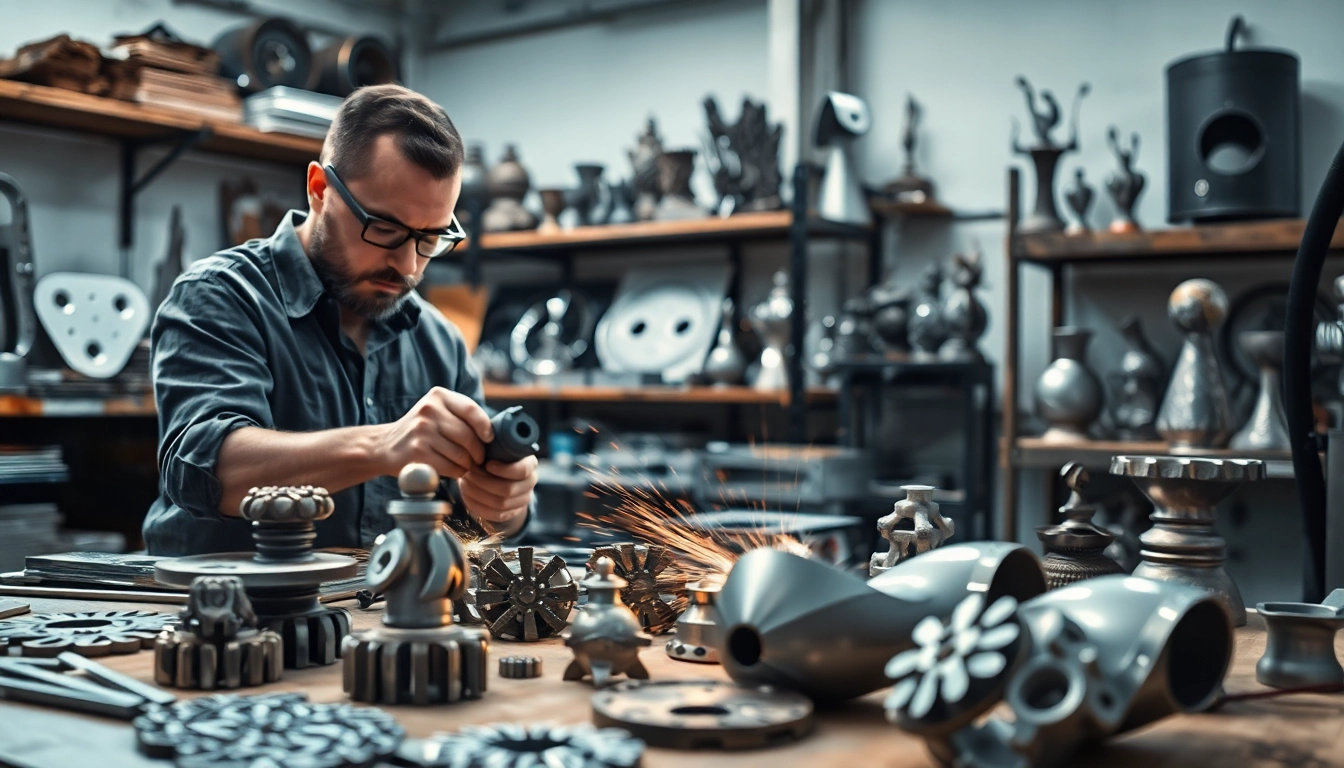
Custom metal fabrication refers to the process of creating bespoke metal structures, components, or designs tailored to specific project needs. This industry encompasses various techniques such as cutting, bending, welding, and assembly, which are employed to produce parts that meet precise specifications. Unlike mass production, custom metal fabrication focuses on quality, craftsmanship, and unique applications, addressing project requirements that off-the-shelf products cannot fulfill. Companies specializing in custom metal fabrication often collaborate closely with clients to understand their needs and provide tailored solutions.
The Process Behind Custom Metal Fabrication
The journey of custom metal fabrication begins with a conceptual design that considers the specific requirements, material properties, and anticipated application of the final product. The process generally involves multiple stages:
- Design Phase: Utilizing CAD (Computer-Aided Design) software, engineers and designers create detailed models and drawings, facilitating clarity on dimensions and structural specifics.
- Material Selection: Key considerations include the type of metal (steel, aluminum, stainless steel), thickness, and whether any special coatings or treatments are necessary.
- Manufacturing: Different techniques are employed depending on the design, which could include laser cutting, CNC machining, or welding. Each technique has its advantages and limitations that affect the final outcome.
- Assembly: After individual components are fabricated, they are assembled to create the finished product. This may involve welding or other joining methods to ensure durability.
- Finishing: Finally, processes such as cleaning, painting, or coating are applied, enhancing aesthetics and protecting against environmental damage.
Benefits of Custom Metal Fabrication
Engaging in custom metal fabrication offers numerous advantages:
- Tailored Solutions: As projects differ greatly in requirements, custom fabrication allows for designs that meet specific needs rather than relying on standard products.
- Quality: Every phase of the process, from material selection to manufacturing techniques, can be optimized for quality assurance.
- Versatility: Custom fabrication supports a wide array of applications across various industries—different materials and designs can cater to specific purposes.
- Innovation: The ability to create custom designs encourages innovation, allowing businesses to experiment with new shapes and complexities that wouldn’t be possible with standard products.
- Cost-Effectiveness: While initial investments might be higher, eliminating the need for modifications down the line can lead to long-term savings.
Applications of Custom Metal Fabrication
Industrial Applications of Custom Metal Fabrication
In the industrial sector, the custom fabrication of metal plays a vital role in producing essential machinery and equipment. Key applications include:
- Heavy Machinery: Customized components for equipment and vehicles used in construction, mining, and agriculture.
- Piping Systems: Tailored pipe fittings and supports designed for specific operational pressures and environments.
- Automotive Parts: Custom parts for vehicles that require modification or replacement, designed to meet engineering specifications.
- Aerospace Components: High-precision parts that comply with stringent safety and performance standards.
- Manufacturing Equipment: Custom made covers, brackets, and frames for machines and production lines.
Architectural Uses in Custom Metal Fabrication
Custom metal fabrication finds remarkable applications in architecture, enhancing both functionality and aesthetics of structures:
- Structural Components: Beams, columns, and connectors fabricated to bolster structural integrity based on design requirements.
- Facades and Cladding: Unique metal cladding systems that deliver both design uniqueness and functional benefits like insulation.
- Railings and Staircases: Custom-designed railings and staircases that not only comply with safety regulations but also enhance the overall visual appeal.
- Doors and Windows: Specialized metal doors and window frames that offer security, energy efficiency, and aesthetic attraction.
- Canopies and Awnings: Architectural features that provide shade and shelter while showcasing intricate designs.
Custom Metal Fabrication in Art and Design
The intersection of custom metal fabrication and art embodies creativity and expression. Artists and designers leverage metal fabrication to bring innovative ideas to life:
- Sculptures: Unique metal sculptures crafted through techniques like welding and machining, often showcasing intricate details.
- Installations: Custom fabricated installations for galleries or public spaces designed to engage audiences.
- Furniture: Artists and designers producing bespoke metal furniture that merges functionality with artistic design.
- Lighting Fixtures: Tailored designs for light fixtures, which serve a purpose while adding ambiance to spaces.
- Decorative Elements: Custom designs for railings, screens, and panels that allow for personalization in architecture.
Choosing the Right Fabrication Techniques
Common Techniques in Custom Metal Fabrication
When engaged in custom metal fabrication, choosing the right techniques is paramount. Common methods include:
- Laser Cutting: Highly precise and efficient, especially suitable for complex shapes and designs.
- CNC Machining: Utilizes computer-controlled tools for high accuracy milling, turning, and shaping of metal components.
- Welding: A joining technique essential for constructing strong, durable assemblies from multiple components.
- Sheet Metal Forming: Involves shaping flat metal sheets through bending or stamping, often used for ductwork and enclosures.
- 3D Printing: An innovative approach allowing for the creation of intricate designs that traditional techniques may not accommodate.
Comparing CNC Machining and Welding
Both CNC machining and welding are prevalent in custom metal fabrication, each serving specific roles:
- CNC Machining: Ideal for precision components, CNC machines produce parts with tight tolerances. There is minimal human intervention, ensuring consistency in quality. This method is well-suited for creating complex shapes.
- Welding: Enables the joining of multiple metal parts into one, creating durable assemblies. It is widely used in structures where strength is vital, though it demands skilled labor to ensure quality welds.
Choosing between CNC machining and welding often depends on the project requirements, materials used, and structural necessities.
Innovative Techniques in Custom Metal Fabrication
The landscape of custom metal fabrication is continually evolving, driven by technological advancements:
- Robotic Welding: Increasing automation speeds up production and reduces labor costs while maintaining high-quality standards.
- 3D Printing with Metal: Although relatively new, this technique enables the creation of intricate geometries not achievable through traditional methods.
- Laser Scanning: Utilized for capturing dimensions of existing structures, facilitating precise fabrication of components needed for repairs or modifications.
- Integrated Manufacturing Systems: Employing smart technologies that connect design and production stages ensures real-time feedback and improvements.
- Advanced Waterjet Cutting: This technique enables cutting through a range of materials without heat, providing precision cuts and minimizing material stress.
Quality Control in Custom Metal Fabrication
Importance of Quality in Fabrication
Quality control is crucial in custom metal fabrication to ensure that products meet specific standards and client specifications:
- Consistency: Ensures a consistent level of quality across all components, reducing project delays and rework.
- Durability: High-quality fabrication contributes to the longevity of products, which is crucial in industries that operate under rigorous conditions.
- Client Satisfaction: Delivering quality products fosters trust and reliability, essential for long-term relationships with clients.
- Compliance: Adhering to industry standards and regulations is essential to mitigate legal risks and enhance reputation.
Standards and Certifications for Custom Metal Fabrication
Various standards and certifications dictate the quality in custom metal fabrication. Familiarity with these can help ensure compliance and enhance market credibility:
- ISO 9001: A global standard focusing on quality management systems, ensuring consistent quality in products and services.
- AWS (American Welding Society) Standards: Essential for companies engaged in welding, providing guidelines on best practices and safety.
- ASTM (American Society for Testing and Materials): Offers standards for materials used in construction and manufacturing that ensure reliability and safety.
- ASME (American Society of Mechanical Engineers) Codes: Important for the design and construction of pressure vessels and piping systems, ensuring safety and performance.
- CE Marking: Required in the European market, signifies compliance with health, safety, and environmental protection standards.
Implementing Quality Control Procedures
Establishing rigorous quality control procedures is vital for successful custom metal fabrication:
- Inspection Protocols: Regular inspections at various stages—raw materials, during fabrication, and final products—are necessary to catch discrepancies early.
- Testing Metrics: Incorporating techniques like tensile testing, hardness testing, and non-destructive testing can serve as quality assurance benchmarks.
- Continuous Improvement: Implement strategies such as Six Sigma or Total Quality Management (TQM) to strive for ongoing enhancements in processes and outcomes.
- Employee Training: Regular training ensures that staff are proficient in quality standards and familiar with software or equipment they operate.
- Documentation: Keeping thorough records of processes, inspections, and testing results is crucial for accountability and continuous monitoring.
Future Trends in Custom Metal Fabrication
Technological Advancements Impacting Custom Metal Fabrication
As technology continues to advance, custom metal fabrication is expected to evolve significantly, driven by innovative practices:
- AI and Machine Learning: These technologies can optimize design processes and predictive maintenance by analyzing data patterns and improving manufacturing workflows.
- Augmented Reality: AR can aid in design processes, offering immersive experiences for prototyping and adjustments in real-time.
- Smart Manufacturing: The integration of IoT devices provides real-time insights into machine status and productivity, promoting proactive decision-making.
- Advanced Composite Materials: Innovations in materials offer alternatives to traditional metals, enhancing performance in lightweight applications.
- Collaborative Robots (Cobots): These assist human workers in tasks, increasing efficiency while maintaining precision and quality control in fabrication operations.
Sustainability in Custom Metal Fabrication
Sustainability is becoming a priority across industries, including custom metal fabrication, where practices focus on reducing environmental impact:
- Recycled Materials: Many fabricators are opting for recycled metals, which require less energy to process and reduce landfill waste.
- Energy Efficiency: Implementing energy-saving technologies, such as improved machinery or renewable energy sources, reduces operational costs and carbon footprints.
- Waste Minimization: Advanced planning and precise cutting technologies can minimize scrap materials, making processes more efficient and economical.
- Eco-Friendly Finishes: Using environmentally friendly coatings and treatments reduces harmful emissions and solvent usage.
- Sustainable Supply Chains: Developing supply chains that prioritize sustainability promotes a greener overall approach in manufacturing.
Customization and Market Demand Trends
Market demand for custom solutions continues to grow as industries recognize the benefits of tailored products:
- Personalization: Customers are increasingly seeking personalized solutions that cater to their specific needs, pushing fabrication businesses to innovate.
- Shorter Lead Times: Businesses are more inclined to offer faster production times to meet rapid market changes and customer demands.
- Collaborative Design: Engaging customers early allows for better alignment with project needs, increasing satisfaction levels.
- Flexibility: The ability to pivot and adapt designs quickly to adhere to changing trends is vital for staying competitive.
- Globalization: With access to international markets, custom metal fabricators can tailor products to diverse requirements across regions.
Frequently Asked Questions
What are the typical materials used in custom metal fabrication?
Common materials include steel, aluminum, stainless steel, brass, and copper, chosen based on the project’s specific requirements and environmental factors.
How long does the custom metal fabrication process take?
The time varies based on project complexity, material availability, and production methods, ranging from days to several weeks for larger or more intricate projects.
What factors influence the cost of custom metal fabrication?
Cost is influenced by material type, design complexity, labor, equipment used, and the volume of production, all affecting final pricing.
Can custom metal fabrication process be automated?
Yes, various stages can be automated using CNC machinery, robotics, and software, enhancing efficiency and precision within manufacturing processes.
How do I choose the right custom metal fabrication provider?
Look for experience, certifications, quality control practices, past project examples, and customer reviews to ensure a reputable fabrication partner.