Understanding Steel Structure Design
Steel structure design is a fundamental aspect of modern engineering that plays a critical role in the construction and architecture of various buildings and infrastructures. The versatility, strength, and durability of steel as a building material make it a preferred choice for architects and engineers alike. In this comprehensive guide, we will delve into the intricacies of steel structure design, exploring its importance, principles, challenges, best practices, and notable case studies, offering invaluable insights for professionals in the field. By understanding the nuances of steel structure design, you can enhance your design skills and ensure the longevity and sustainability of your projects.
What is Steel Structure Design?
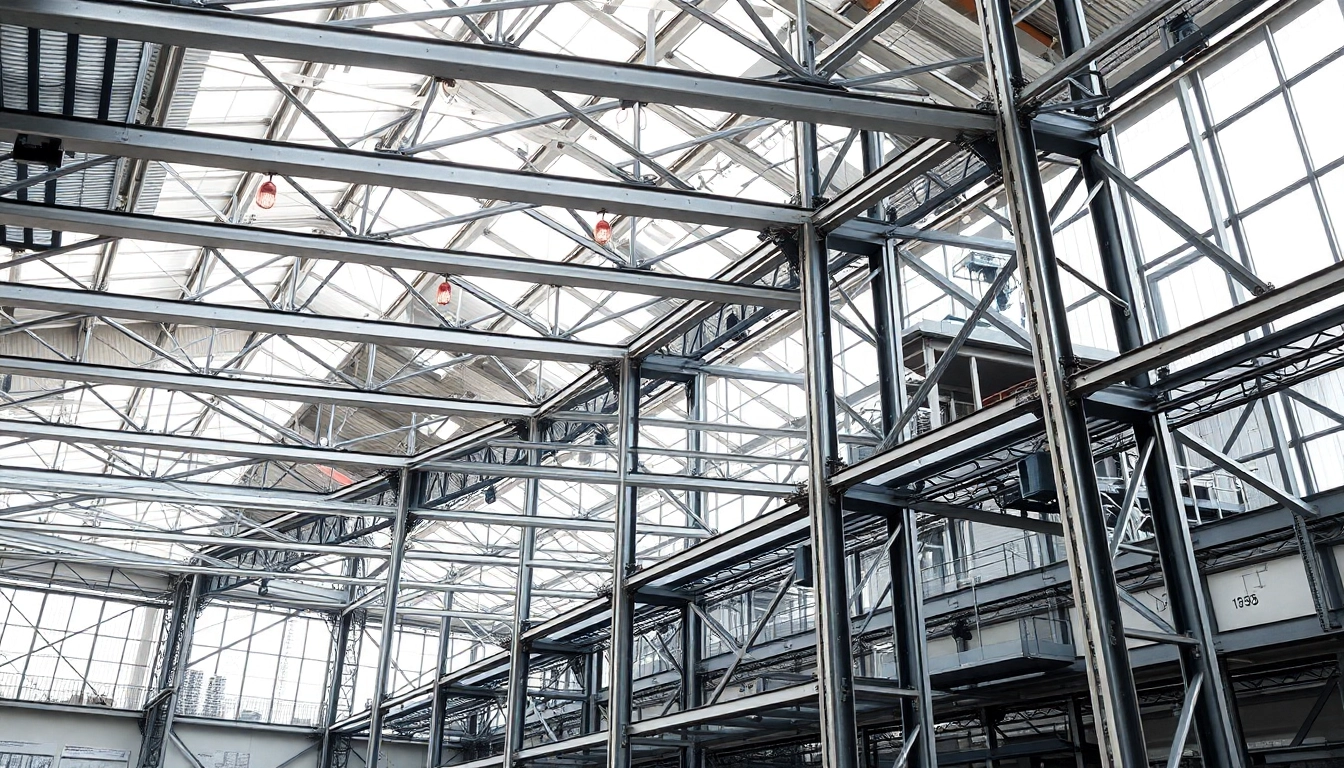
Steel structure design involves the process of creating structural designs that utilize steel to support loads and withstand environmental factors. This design process encompasses several key components, including the architectural vision, structural analysis, and safety verification. Engineers must apply principles of physics and mathematics to ensure that steel structures can efficiently bear various loads, such as live loads, dead loads, and environmental loads, while adhering to safety standards and building codes. Each design project may vary significantly depending on its intended use, local regulations, and site-specific factors.
Importance of Steel in Construction
The significance of steel in construction cannot be overstated. Its unique properties offer various benefits, including:
- Strength-to-Weight Ratio: Steel has a high strength-to-weight ratio, which allows for lighter structures without compromising strength, reducing foundation costs and material use.
- Durability: Steel is resistant to many elements, including fire, pests, and decay, ensuring structural longevity.
- Workability: Steel can be fabricated into a range of shapes and sizes, facilitating innovative design possibilities.
- Recyclability: Steel is one of the most recycled materials, making it an environmentally friendly choice in construction.
Key Features of Steel Structures
Steel structures offer several characteristics that define their functionality:
- Flexibility in Design: Steel allows for various architectural styles and configurations, supporting both aesthetic appeal and functional requirements.
- Speed of Construction: Pre-fabricated steel components can significantly reduce construction time, leading to cost savings and quicker project completion.
- Minimal Maintenance: Steel structures typically require less maintenance compared to other materials, further enhancing their cost-effectiveness over time.
Principles of Effective Steel Structure Design
Effective steel structure design hinges on several core principles that guide engineers and architects through the design process.
Load-Bearing Considerations
Understanding the types of loads a structure will face is crucial in steel structure design. Load-bearing considerations include:
- Dead Loads: These are static loads that include the weight of structural elements, cladding, and finishes.
- Live Loads: Dynamic loads can change over time, such as human occupancy, furniture, and equipment.
- Environmental Loads: Forces due to wind, snow, and seismic activity must also be accounted for in the design.
Designers must employ various analysis techniques, including static and dynamic loading analysis, to ensure structural integrity under anticipated loads.
Material Selection and Properties
The properties of steel—such as yield strength, shear strength, and ductility—are pivotal when designing a structure. Selecting the right type of steel is crucial. Common types include:
- Carbon Steel: Most commonly used for general structural purposes due to its balance of strength and ductility.
- Alloy Steel: Offers enhanced properties, such as improved strength and resistance to corrosion.
- Stainless Steel: While more expensive, it offers excellent corrosion resistance, making it suitable for chemical and marine environments.
A thorough understanding of material properties allows designers to make informed choices based on the demands of each project.
Design Concepts and Approaches
The conceptual framework for steel structure design includes various methodologies:
- Conventional Design: This approach relies on established codes and standards, focusing on safety and functionality.
- Performance-Based Design: This method emphasizes a structure's ability to meet performance criteria, even under unexpected conditions.
- Load and Resistance Factor Design (LRFD): This enables engineers to account for uncertainties in loads and material strength, leading to safer designs.
Each design concept has its place, depending on project requirements, site conditions, and stakeholder expectations.
Common Challenges in Steel Structure Design
Though steel structure design offers many advantages, it also comes with inherent challenges that can impede progress and inflate costs.
Addressing Structural Weaknesses
One of the most significant challenges in steel structure design is addressing potential structural weaknesses, such as buckling, fatigue, and corrosion. Engineering solutions include:
- Reinforcement: Adding additional structural components to enhance overall stability.
- Quality Control: Implementing rigorous quality control during fabrication and construction to mitigate risks.
- Corrosion Protection: Utilizing protective coatings and selecting corrosion-resistant materials can prolong the life of structures.
Overcoming Design Limitations
Engineers must navigate design limitations stemming from material constraints and construction practices. Common considerations include ensuring that design solutions comply with building codes and standards, as well as logistical issues during the construction phase. Collaboration between architects and engineers can lead to innovative solutions that meet both aesthetic and structural demands.
Managing Costs and Resources
Cost management is crucial throughout the design and construction phases. Strategies to effectively manage costs include:
- Design Optimization: Utilizing advanced software tools to optimize designs for cost efficiency without sacrificing quality.
- Sourcing Materials: Building relationships with suppliers can lead to better pricing and availability of materials.
- Reducing Waste: Implementing lean construction principles to minimize waste and improve resource management.
Best Practices in Steel Structure Design
To navigate the complexities of steel structure design successfully, implementing best practices is essential.
Incorporating Software Tools
Modern software applications have revolutionized the design process. Software tools such as Building Information Modeling (BIM) and Finite Element Analysis (FEA) facilitate detailed modeling and analysis of steel structures. These tools offer simulations that can reveal design flaws before construction begins, ultimately leading to more efficient designs.
Utilizing Modern Engineering Techniques
Incorporating advanced engineering techniques, such as parametric design and generative design, enhances the design process. These techniques leverage algorithms to explore numerous design alternatives, providing insights that can lead to optimization in materials, costs, and structural integrity.
Maintaining Compliance with Standards
Compliance with international, national, and local building codes is vital for ensuring safety and obtaining the necessary approvals. Familiarizing yourself with relevant standards, such as the American Institute of Steel Construction (AISC) guidelines, can prevent costly redesigns and alterations later in the project lifecycle.
Case Studies and Examples of Successful Steel Structure Design
Real-world examples provide valuable lessons in steel structure design, showcasing successful implementation of the principles and practices discussed.
Innovative Projects and Approaches
Noteworthy projects that exemplify innovative steel structure design include the Eiffel Tower, which transformed the skyline of Paris, and the Burj Khalifa, which signifies modern engineering and architectural prowess. Each project demonstrates how creative design coupled with steel's inherent properties can yield remarkable structures.
Lessons from Notable Designs
Case studies of prominent steel structures often reveal lessons in balancing form, function, and safety. For instance, learning how the Sydney Harbour Bridge efficiently handles substantial traffic loads informs crucial decisions on similar projects worldwide.
Future Trends in Steel Structure Design
The future of steel structure design will likely encompass increased sustainability through the use of eco-friendly materials and improved energy efficiency. Moreover, innovations in digital manufacturing and 3D printing of steel components are poised to revolutionize construction methods, leading to unprecedented design possibilities and further enhancing the viability of steel structures.
As a pivotal component of the construction industry, mastering the principles and practices of steel structure design can lead to safer, more efficient, and aesthetically pleasing buildings and infrastructure. Embracing innovation while adhering to best practices will ensure that future steel structures meet the evolving needs of society.