Introduction to Aluminum Prototypes
Aluminum prototypes play a pivotal role in the realm of product development and manufacturing. These prototypes are essential for businesses aiming to validate designs and test functionalities before moving to full-scale production. By utilizing aluminum prototypes, companies can assess the feasibility of their designs while ensuring optimal performance and cost-efficiency. In this article, we delve into the facets of aluminum prototypes, highlighting their importance, advantages, creation techniques, and applications in various industries.
What are Aluminum Prototypes?
Aluminum prototypes are preliminary models crafted from aluminum materials, used to evaluate a design's functionality, aesthetics, and manufacturability. These prototypes can encompass a wide range of forms—from simple components to intricate assemblies—facilitating various testing scenarios. The properties of aluminum, including its strength-to-weight ratio, ease of machining, and corrosion resistance, make it an ideal choice for prototyping.
Importance of Aluminum Prototypes in Manufacturing
The integration of aluminum prototypes into the manufacturing process substantially enhances product development. They enable designers and engineers to visualize complex ideas, identify flaws early, and make necessary adjustments before significant investments are made. Furthermore, these prototypes facilitate communication among stakeholders, ensuring everyone is aligned on the product's direction. The iterative nature of prototyping using aluminum also accelerates time-to-market, providing a competitive edge.
Types of Prototyping Techniques
Several techniques can be employed to create aluminum prototypes, each suited to particular project requirements:
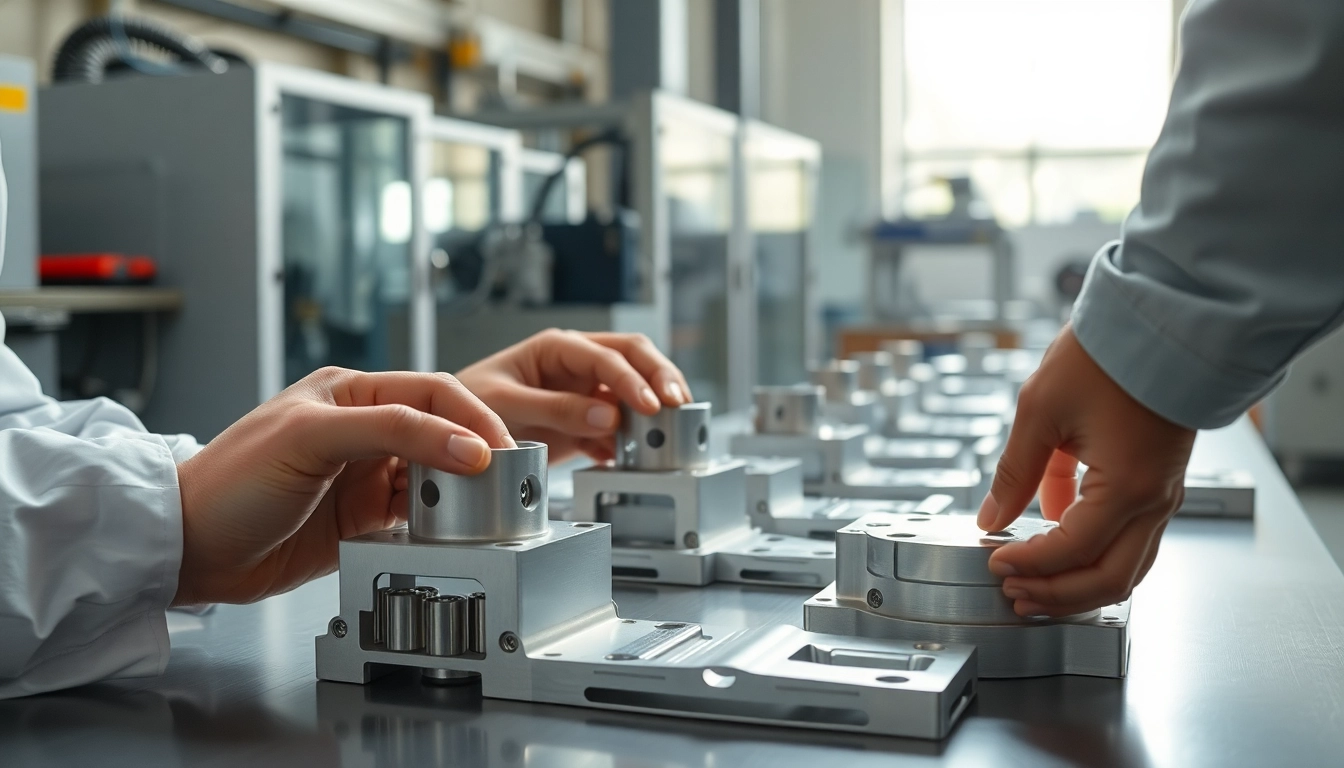
- CNC Machining: A subtractive manufacturing process where material is removed from a solid block of aluminum to create a desired shape.
- Sanding and Casting: Casting methods, such as sand casting or plaster mold techniques, are utilized to create intricate designs with excellent surface finishes.
- 3D Printing: Additive manufacturing techniques can be applied for rapid prototyping, particularly for complex geometries that are difficult to machine.
Advantages of Using Aluminum Prototypes
Strength and Durability
One of the significant advantages of aluminum is its inherent strength and durability. Aluminum prototypes can withstand rigorous testing, simulating real-world conditions without the risk of significant deformation or failure. This reliability enables manufacturers to conduct detailed structural analyses and performance tests, ensuring the final products meet exacting standards.
Cost-Effectiveness in Production
Compared to other materials, aluminum offers a favorable balance of cost and performance. Its machining capabilities allow for lower tooling wear and reduced operational costs. Additionally, the lightweight nature of aluminum can lead to lower shipping costs and energy usage during production, making it an economically viable choice for prototyping.
Speed of Manufacturing and Delivery
Aluminum's excellent machinability translates to shorter lead times for producing prototypes. This speed is crucial in industries where rapid innovation is key. Quick turnaround times allow for faster iterations and modifications, enabling businesses to reach the market sooner while staying agile in response to customer demand.
Common Applications of Aluminum Prototypes
Industry Use Cases
Aluminum prototypes find applications across a myriad of industries, including automotive, aerospace, electronics, and consumer goods. In the automotive sector, prototypes are used for testing new car parts under extreme conditions, while in aerospace, they ensure that components meet safety standards and regulatory requirements. In the electronics industry, prototypes help in refining product ergonomics and functionalities.
Custom Product Development
Custom prototypes enable businesses to tailor solutions to meet specific client needs. By leveraging aluminum, manufacturers can produce unique components that cater to niche markets. This level of customization fosters innovation and allows for the introduction of products that distinguish companies from their competitors.
Rapid Prototyping Solutions
The rise of rapid prototyping has revolutionized product development processes. Utilizing aluminum for rapid prototyping enables swift creation and testing of models, allowing companies to receive feedback quickly. This flexibility not only shortens the development cycle but also lowers the risk of costly missteps before final production.
Best Practices for Creating Aluminum Prototypes
Design Considerations
Effective design is core to successful prototyping. Engineers should account for the properties of aluminum, such as its thermal expansion and potential for corrosion. Detailed computer-aided design (CAD) models can facilitate accurate measurements and tolerances, ensuring that prototypes reflect the intended functionality and aesthetics of the final product.
Machining Techniques
Selecting the right machining technique is vital for achieving the desired specifications. For intricate designs, CNC machining may be preferred due to its precision. Alternatively, for bulkier components, processes like sand casting could be more beneficial, allowing for faster production with less material waste. Each method has distinct advantages that should align with the project's objectives.
Quality Control Measures
Implementing stringent quality control procedures is crucial in the prototyping phase. Manufacturers should establish metrics to measure tolerances, surface finishes, and overall dimensions. Regular inspections and testing at various stages can help detect issues early, ensuring that prototypes are compliant with required standards and free from defects before proceeding to final production.
FAQs About Aluminum Prototypes
Is aluminum a common prototyping material?
Yes, aluminum is widely used for prototyping due to its excellent machinability and cost-effectiveness. It offers low tool wear, which helps reduce machining costs significantly.
How do aluminum prototypes differ from other materials?
Aluminum prototypes provide a unique combination of lightweight properties, strength, and corrosion resistance, distinguishing them from materials like steel or plastics, which may not match these qualities for specific applications.
What industries commonly use aluminum prototypes?
Industries such as automotive, aerospace, electronics, and consumer goods frequently utilize aluminum prototypes for component testing and product development, benefiting from its performance capabilities.
Can aluminum prototypes be reused or recycled?
Yes, aluminum prototypes can be recycled, making them an environmentally friendly choice. Reusing prototypes can also reduce material costs in subsequent projects.
What are the limitations of using aluminum for prototypes?
While aluminum has many benefits, it may not be suitable for all applications—especially where extreme temperatures or loads are expected, as its thermal properties can be a factor. Proper material selection is critical based on the end-use of the prototype.