Collecting soil readings matters only when those readings lead to a better decision. Environmental robots entering field work will be judged by the work they complete in fields, rivers, forests, and industrial sites, not by how advanced their sensors sound.
- Robots will gather repeated measurements in places people cannot reach safely.
- Better data still needs a clear action attached to it.
- Battery life, communications, and repair plans can decide whether a project works.
Start with the task, not the robot
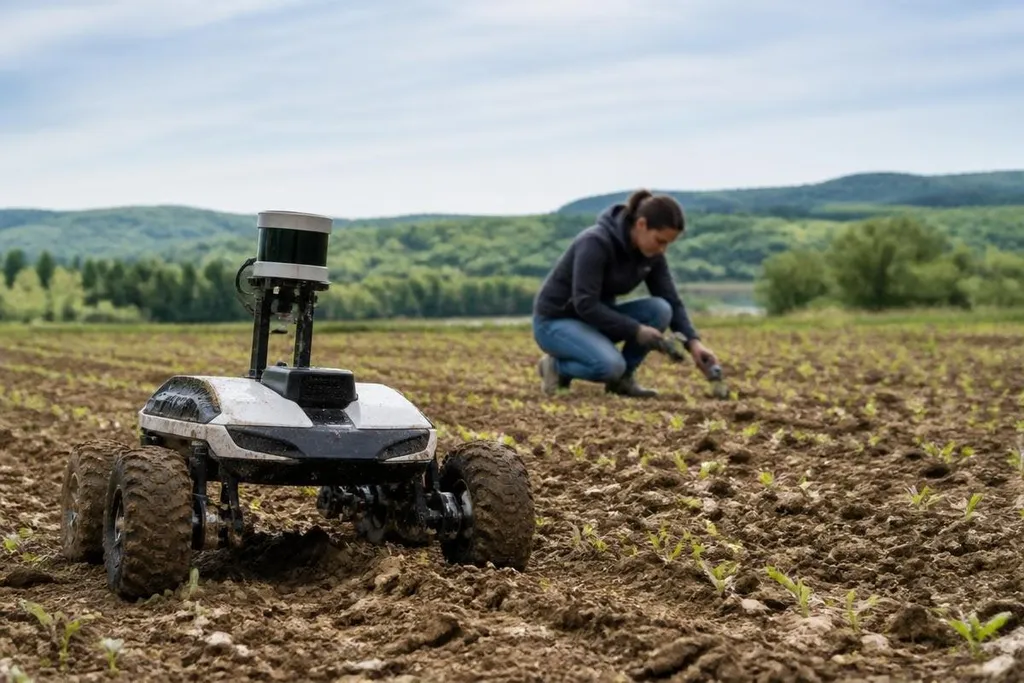
Environmental work covers very different jobs. Different machines may inspect crops between rows, map a damaged area, or check water conditions. Each machine needs a narrow task with a result someone can use.
That result might be a map showing plant stress, a record of chemical levels, or a warning that a slope has changed. The sensor matters because it supports that result. A long list of sensors does not help if nobody knows what decision the data should support.
The machine also needs a way to move through its work area. Cameras, LiDAR, satellite positioning, and onboard maps can help a robot locate objects and avoid hazards.
Water robots face a different problem from ground robots because currents, waves, and poor radio links can affect their route.
Data is the product
These systems can collect more readings than a person with a handheld instrument, but more data does not automatically mean better data. The system must record where and when each reading was taken, then show whether the sensor was working properly.
That makes calibration part of the robot’s normal work. A soil sensor may need a known reference before a survey begins. A camera used to track vegetation needs steady images under changing light. Without those checks, a neat map can still lead to a bad choice.
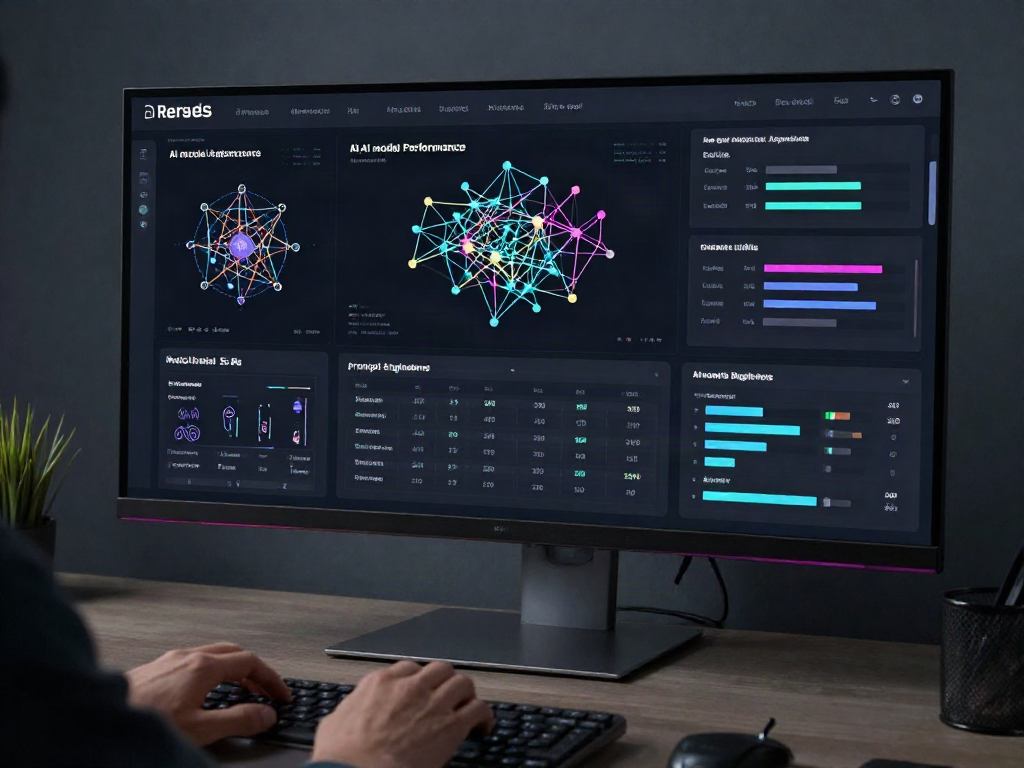
Environmental data also needs to fit the team’s existing tools. A farm manager may need a clear field map, while a research team may need raw readings and sensor status to check what happened when conditions changed. Robot24.com robotics coverage can tie those outputs to the machine, test site, and date behind each report before you judge what the robot can do in the field.
The hard limits are physical
Battery capacity sets the length of many robot missions. A machine that spends much of its time returning to a charging point gathers less information per shift. Solar panels can extend operation in some outdoor settings, but shade, dust, weather, and low light reduce what they can give.
Communications create another limit. A robot may store data onboard when it loses contact, then send the files after returning to a base station. That works for mapping, but it is less useful when a remote operator needs to respond during the mission.
Repairs matter too. Mud can block moving parts, salt water can damage connectors, and rough ground can loosen mounts. A project needs spare parts, cleaning steps, and a plan for recovering a robot that stops far from the team.
Where the systems can earn trust
The strongest projects will connect three parts: a clear field task, a sensor result, and a decision that follows. A machine that finds a leak should help locate the source. A system that measures water should show where a sample came from and whether the reading passed its quality checks.
I’d skip any system that sells autonomy without explaining how its data gets checked. Human review may still be needed for unusual readings, damaged terrain, or conditions outside the training data.
That does not make the robot less useful. It gives the machine a defined place in the process and lets people focus on decisions that need context.
A practical buying checklist
Before funding an environmental robot project, check these points:
- Name the decision: Write down what action the measurements should support.
- Test the route: Run the machine across the actual ground, water, or vegetation it will inspect.
- Check the data: Confirm that each reading carries a time, location, sensor status, and calibration record.
- Plan lost contact: Decide what the robot stores, when it returns, and how a person can stop it.
- Price the upkeep: Include batteries, seals, cleaning, spare parts, software, and staff time.
- Set a result: Choose the measurement or task result that decides whether the project continues.
Environmental robots will improve as sensors, batteries, maps, and control software improve. The useful test stays plain: after a mission, can a person make a better environmental decision with the result than without it?