Understanding Wineries in Clarksburg
The History and Heritage
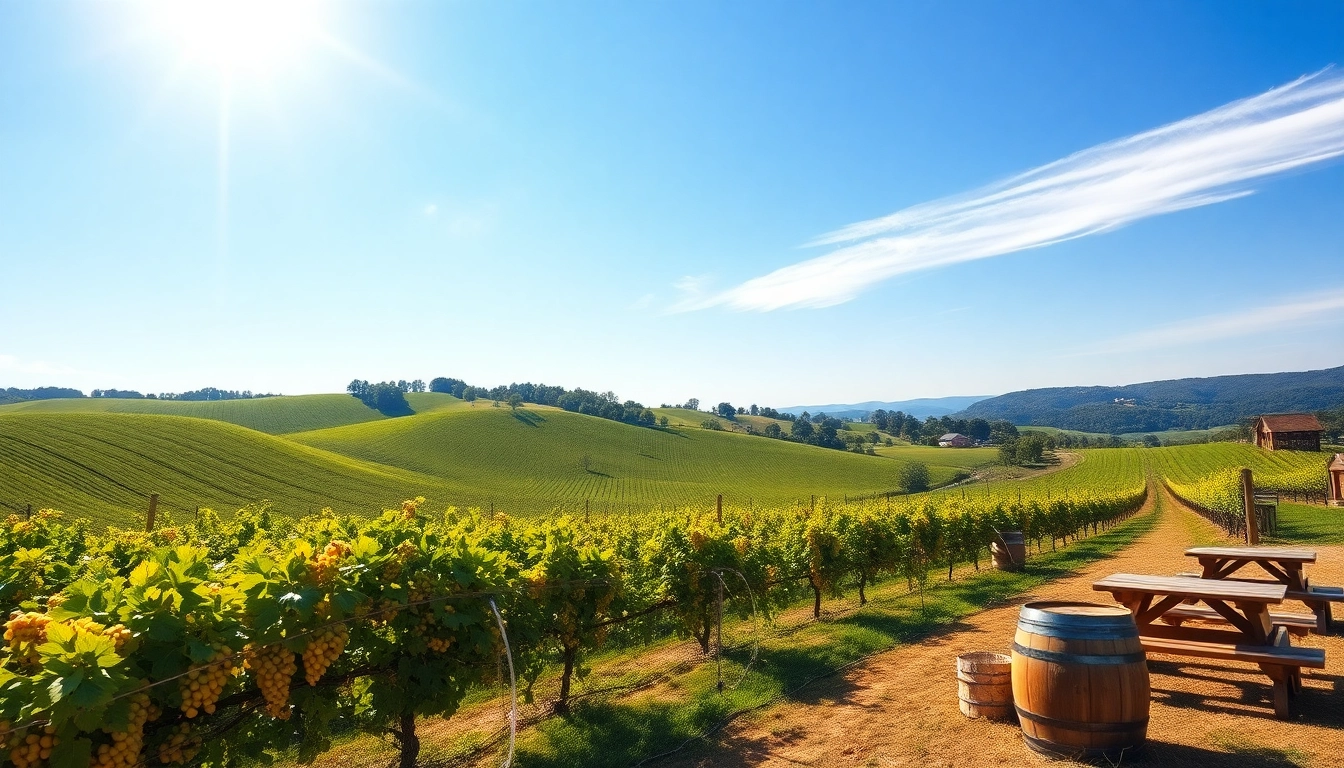
Clarksburg, California, is an intriguing locale for wine lovers, rich in a history that intertwines agriculture, community, and winemaking traditions. The region saw its first vineyards planted in the late 1800s, with early settlers recognizing the fertile soils and ideal climate conditions for grape growing. The combination of proximity to the Sacramento River and the subsequent adjustments in land use led to the establishment of a vibrant agricultural community rooted in viticulture.
Historically, Clarksburg’s geographic location placed it in an advantageous position, providing farmers with access to both transportation and water resources. Throughout the 20th century, the rise of commercial viticulture in the region saw the establishment of several family-owned wineries, contributing not only to the local economy but also to the cultural fabric of the community.
What Makes Clarksburg Unique
What sets Clarksburg apart from other wine regions is its distinct microclimate, influenced by the delta breezes that sweep through the area. This unique meteorological phenomenon fosters an ideal environment for growing a variety of wine grapes. Notably, the region is lauded for its exceptional Sauvignon Blanc and Chenin Blanc, varietals that thrive in the warm days and cool nights characteristic of Clarksburg.
The winemaking philosophy embraced in Clarksburg is deeply influenced by both tradition and innovation. Winemakers here are dedicated to reflecting the region’s terroir in their wines, focusing on sustainable practices that enhance both the land and the product. This commitment to quality translates into wines that encapsulate the essence of Clarksburg, drawing visitors from near and far.
Wine Varietals You’ll Discover
Clarksburg boasts a diverse portfolio of wines, reflecting both the climate and the creative spirit of its vintners. Visitors can expect to taste a range of varietals, including:
- Sauvignon Blanc: Known for its vibrant acidity and citrus notes, this varietal shines in the Clarksburg region.
- Chenin Blanc: Often exhibiting floral and fruity flavors, this grape flourishes in the cool evenings typical of Clarksburg.
- Zinfandel: The bold flavors and rich characteristics of Zinfandel find a perfect home in the soils of Clarksburg.
- Cabernet Sauvignon: While not as dominant as whites, some vineyards produce exceptional variations of this classic red grape.
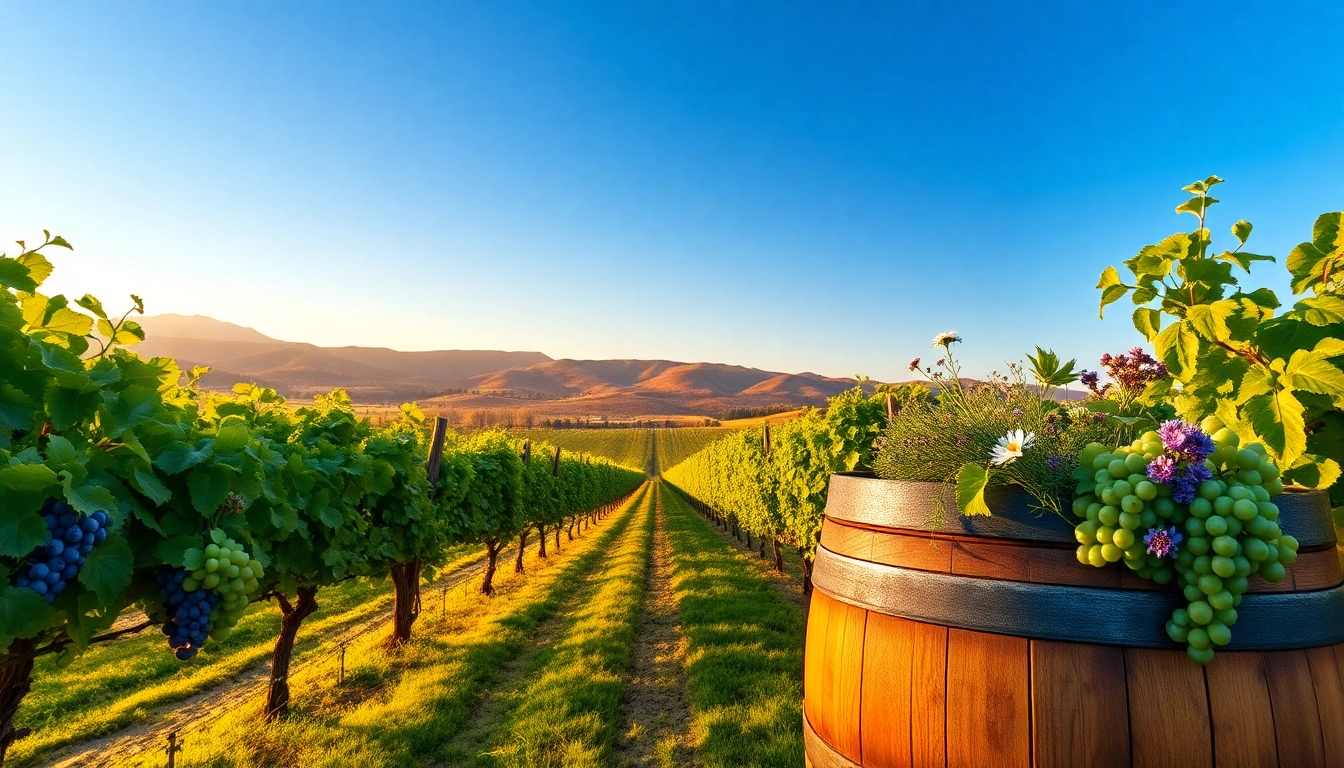
Each varietal tells a story of the land and the climate, and by exploring the wineries in Clarksburg, visitors can gain a deeper appreciation for these unique offerings.
Visiting Wineries in Clarksburg
Planning Your Trip
Planning a trip to the wineries in Clarksburg should be an enjoyable process that accounts for timing, transportation, and personal preferences. The ideal time to visit is during the late spring through the fall months when the weather is typically pleasant, and the vineyards are lush. To avoid the crowds, considering visiting during weekdays or earlier in the day can offer a more intimate experience.
Travel options to Clarksburg are plentiful, as the area is easily accessible from major cities such as Sacramento. Visitors can opt for a scenic drive along the river or arrange for guided vineyard tours that often include transportation. Additionally, many local wineries offer unique tasting experiences paired with curated food options, enhancing the overall visit.
Must-Visit Wineries
When exploring the wine scene in Clarksburg, several wineries stand out for their exceptional offerings and welcoming atmospheres:
- Woodbridge by Robert Mondavi: A landmark winery known for its broad selection of wines, it offers a blend of contemporary winemaking with classic varietals.
- Bogle Vineyards: This family-run winery has gained acclaim for its high-quality wines made sustainably. Don’t miss their vibrant Sauvignon Blanc.
- Secret Santa Winery: A hidden gem that offers personalized tasting experiences featuring limited-release varietals.
- Resolve Vineyards: This boutique winery is celebrated for its artisanal approach and commitment to small-batch winemaking.
Wine Tasting Etiquette
Understanding wine tasting etiquette can enhance your experience at the wineries. Here are some key tips to consider:
- Arrive on Time: Punctuality is key—arrive a few minutes early to ensure you don’t miss out on the full tasting experience.
- Spitting vs. Swallowing: In a formal tasting, it’s acceptable to spit out samples to avoid inebriation. Use spittoons provided by the winery.
- Palate Cleansing: Eat some neutral foods, such as bread or crackers, between tastings to cleanse your palate.
- Ask Questions: Don’t hesitate to engage with the staff. They often have valuable insights and backgrounds on the wines.
The Winemaking Process
From Vine to Wine: The Journey
The winemaking journey begins long before the first sip. Understanding this process—from vineyard management to bottling—illuminates the artistry behind wine production:
- Vineyard Management: Successful viticulture involves careful planting, pruning, and managing grape health throughout the seasons.
- Harvesting: Grapes are typically hand-harvested to ensure only the ripest grapes are selected. Timing is crucial as grapes must be picked at their optimal ripeness.
- Crushing and Fermentation: After harvesting, grapes are crushed and their juices are fermented. This process varies significantly based on the wine type, whether it be white or red.
- Aging: Wines are then aged in barrels or tanks, allowing flavors to develop. This step can significantly affect the final product, from taste to aroma.
- Bottling: Finally, wines are filtered and bottled. Many wineries opt for minimal intervention during this stage to preserve qualities derived from the vineyard.
Sustainable Practices in Clarksburg
Sustainability is at the forefront of many Clarksburg wineries’ practices. Farmers are employing methods to minimize their environmental footprint through organic farming techniques and responsible land management. The emphasis on sustainability ensures long-term viability for both the land and the wine industry. Practices such as cover cropping, composting vineyard waste, and water conservation are becoming increasingly prominent. By enhancing biodiversity and supporting soil health, wineries not only contribute to the ecosystem but also enhance the quality of their grapes.
Innovations in Winemaking
Innovations in technology are also reshaping the winemaking process in Clarksburg. The application of precision agriculture technologies, such as drone monitoring for vineyard health and data analysis tools to predict yields, has become widespread. These advancements allow winemakers to fine-tune their practices, ensuring that the grapes are harvested at the best possible quality. Additionally, wineries are beginning to experiment with new fermentation techniques, including wild fermentation and the use of alternative aging vessels, to create unique flavor profiles that excite wine enthusiasts.
Events and Activities
Annual Wine Festivals
Clarksburg hosts several annual wine festivals that celebrate the region’s rich viticultural heritage. These events offer an excellent opportunity for visitors to sample wines from various producers while enjoying local food and entertainment. Events feature everything from live music to wine pairings with gourmet dishes, creating a festive atmosphere that draws large crowds. Participating in these festivals not only allows attendees to taste a wide array of wines but also supports local businesses and winemakers.
Harvest Season Activities
Harvest season in Clarksburg is a time of excitement and labor, as vineyards come to life with activity. Many wineries offer visitors the chance to join in on harvest activities, from picking grapes to tasting the day’s haul. Participating in these authentic experiences helps visitors understand the hard work that goes into each bottle. The sense of community is palpable as local families come together to celebrate the fruitful yield of their hard work.
Wine and Food Pairing Events
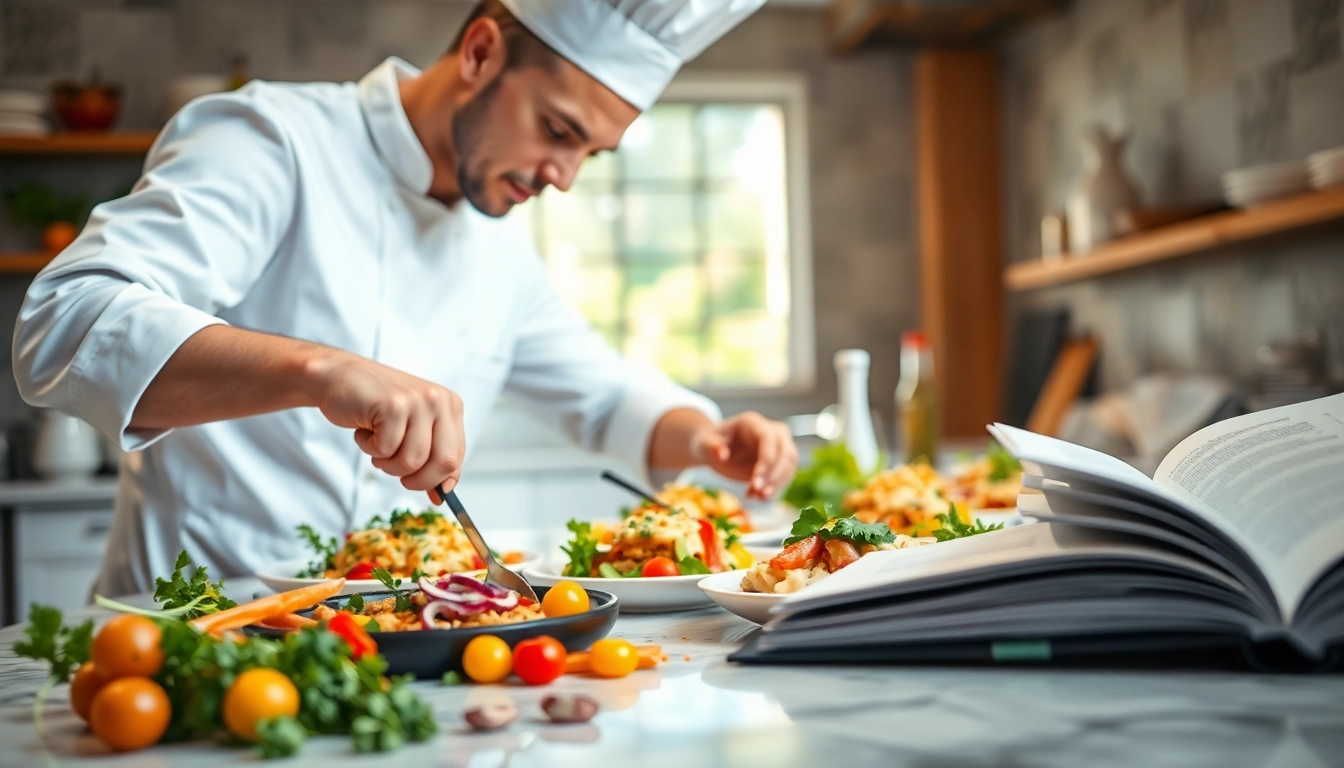
Food and wine pairing events are a gastronomic delight offered at many Clarksburg wineries. These events focus on the art of combining wine with food to enhance flavors. Seminars led by winemakers and chefs share best practices, introducing attendees to the nuances of pairing wines with various cuisines. Guests can broaden their palate and learn how to select the best wines for their own dining experiences at home.
Local Culture and Community
The Role of Wineries in Clarksburg’s Economy
The wineries in Clarksburg are integral to the local economy, contributing significantly to job creation and tourism revenue. As wine tourism continues to grow, visitors flock to Clarksburg for winery tours, tastings, and culinary experiences, thus bolstering local businesses. This influx of tourists nurtures a robust economic ecosystem, benefiting restaurants, hotels, and other service industries. Furthermore, many wineries are committed to hiring locally and supporting community initiatives, further solidifying their role as cornerstone businesses in the region.
Building Community Through Wine
The sense of community among Clarksburg vintners is palpable. Many wineries collaborate on projects, share resources, and promote each other’s events, creating a supportive network. This collaborative spirit fosters not only better wine but also a welcoming atmosphere that embraces newcomers and visitors alike. Events such as community tastings and fundraisers serve to strengthen bonds and celebrate local culture, inviting everyone to partake in the unique identity of Clarksburg.
Engaging with Local Art and Music
The Clarksburg wine scene goes beyond the bottle, often intertwining with local art and music. Many wineries host art shows, live music sessions, and cultural events, providing a platform for local artists and musicians. This not only enriches the visitor experience but also cultivates a vibrant cultural landscape that reflects the essence of Clarksburg. Visitors can enjoy a glass of fine wine while participating in events that highlight creativity and community, making their wine exploration truly memorable.