
Understanding On-site Videography
What Is On-site Videography?
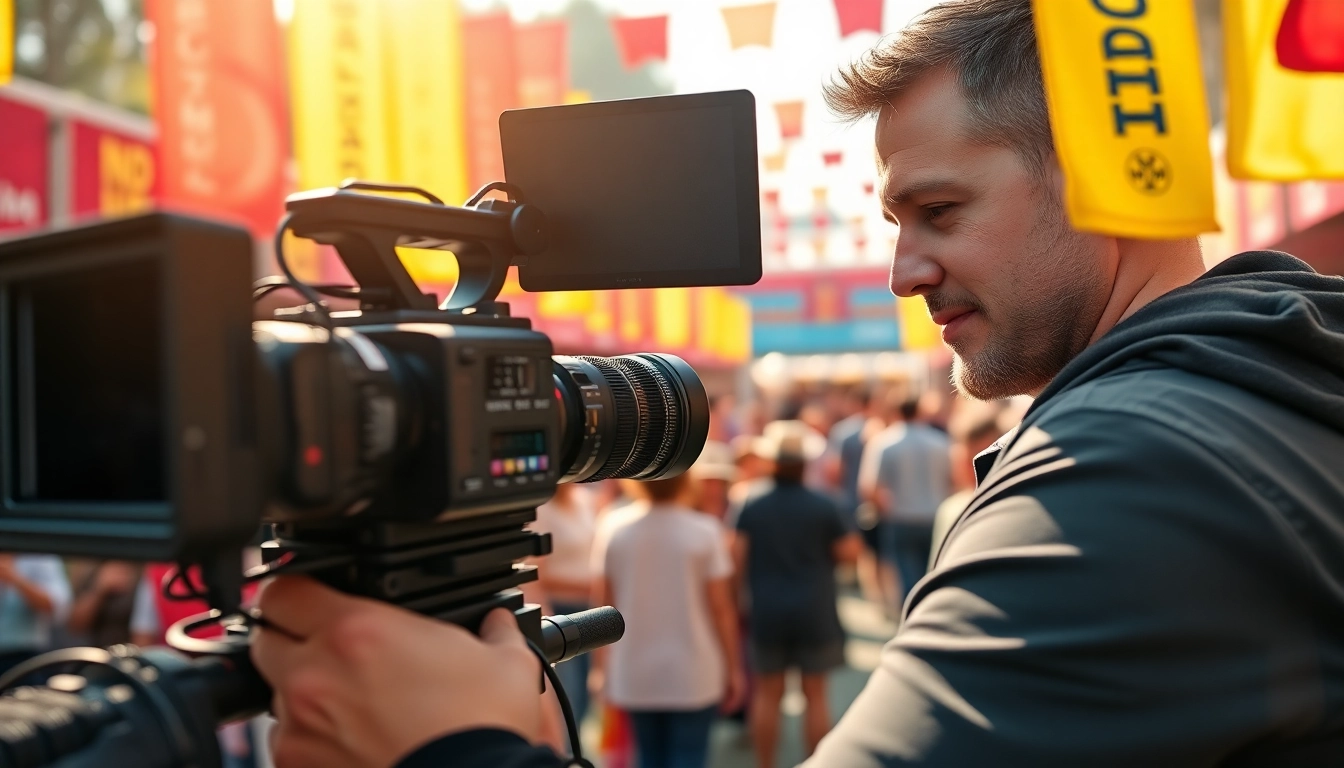
On-site videography refers to the practice of capturing video footage in various real-world settings, such as events, corporate environments, or outdoor locations. Unlike studio-based videography, on-site videography allows videographers to create cinematic and narrative-driven content that reflects the authentic atmosphere of the event or subject matter. This approach not only enhances storytelling but also offers viewers a genuine glimpse into the experiences and emotions captured in real-time. Utilizing techniques tailored to each unique setting is crucial for achieving professional results.
Importance of On-site Videography for Brands
As brands strive to engage their audiences effectively, On-site videography has emerged as a vital tool in their marketing arsenal. It allows for the creation of dynamic content that resonates with viewers on a personal level. By showcasing the authentic essence of a brand, through interviews with key personnel, behind-the-scenes footage, or customer interactions, brands can build trust and loyalty with their audience. Additionally, on-site videography can capture emotional milestones and key moments that portray the company’s values, mission, and culture.
Key Elements of Effective On-site Videography
Successful on-site videography hinges on several key elements:
- Storytelling: Every piece of videography should tell a story, whether it’s a brand’s journey, an event’s highlights, or an emotional moment.
- Technical Proficiency: Understanding videography techniques, such as framing, angles, and transitions, is essential for quality footage.
- Adaptability: The ability to adapt to changing environments and unpredictable situations is crucial, particularly during live events.
- Post-Production Skills: Editing and enhancing footage in post-production are key to creating polished videos that maintain the viewer’s interest.
Planning Your On-site Videography Shoot
Setting Goals for Your Videography
Before embarking on an on-site videography project, it’s essential to establish clear goals. Define what you want to achieve—whether it’s promotional material, event highlights, or educational content. These objectives will guide the videography process, from planning through to post-production, ensuring that every shot contributes to the overarching message. Establishing key performance indicators (KPIs) in line with your goals will help measure success post-project.
Choosing the Right Location for On-site Videography
The location plays a pivotal role in the success of any on-site videography. It should align with the goals and aesthetic of the intended video. Consider factors like lighting, accessibility, noise levels, and whether the location offers opportunities for dynamic shots. Always scout the location beforehand to identify the best angles, backgrounds, and potential challenges, such as crowding or weather conditions. This pre-planning helps facilitate a smoother filming experience.
Essential Equipment for On-site Videography
Equipping yourself with the right tools is fundamental for quality results in on-site videography. Essential gear includes:
- Camera: High-definition cameras, such as DSLRs or mirrorless models, ensure superior image quality.
- Tripod/Stabilizer: Stability equipment is crucial to avoid shaky footage, especially when moving.
- Microphones: Quality microphones help capture clear audio, critical for interviews or speeches.
- Lighting Gear: Portable lighting kits can enhance the video quality, especially in low-light settings.
Best Practices for On-site Videography
Lighting Techniques for Optimal Footage
Proper lighting can transform ordinary footage into stunning visuals. Utilize natural light whenever possible; however, when filming indoors or during evening events, complement with artificial lighting. Techniques like three-point lighting can create depth and visual interest. Avoid harsh shadows and make sure your subject is well-lit while maintaining the overall ambiance of the event.
Sound Quality and Its Impact on Videography
Quality sound is just as important as visual elements in videography. Background noise can distract viewers and undermine the professional quality of your video. Invest in lavalier microphones for interviews, shotgun mics for more direct sound capture, and always perform sound checks before filming. Monitor audio during recording to ensure clarity and adjust settings as needed.
Editing Tips to Enhance On-site Videography
Post-production is where your footage comes to life. Start by organizing your raw footage, then select the best clips that align with your narrative. Use transitions to create a smooth flow, but avoid overusing effects that can distract from the content. Incorporate graphically-enhanced texts and music that complements the tone of the video. Color grading can also elevate the visual quality, unifying different footage and enhancing emotional impact.
Measuring the Success of On-site Videography
Key Performance Indicators for Videography Projects
To determine the effectiveness of your on-site videography, set measurable KPIs aligned with your original goals. Common indicators include viewer engagement metrics (likes, shares, comments), audience retention rate (how long viewers watch your video), and conversion rates (actions taken after viewing). Regular analysis of these metrics can inform future videography projects and strategies.
Gathering Feedback Post-Event
Feedback is invaluable in assessing the impact of your videography. After the project, send out surveys to your audience or clients to gather insights on what they liked and what could be improved. Engaging directly with viewers helps identify the strengths and weaknesses of your approach and provides direction for future projects.
Adjusting Strategy Based on Performance Metrics
Use the data collected from KPIs and feedback to adjust your strategies. Identify patterns, such as common interests or engagement peaks, and tailor your future videography projects accordingly. This data-driven approach not only enhances the quality of content but also ensures alignment with audience expectations.
FAQs About On-site Videography
What is the average cost of on-site videography?
The costs vary significantly based on location, duration, and complexity, often ranging from several hundred to thousands of dollars.
How long does it take to edit on-site videography?
Edit time can range from a few days to several weeks depending on video length, complexity, and the editor’s workload.
What type of events are best suited for on-site videography?
Corporate events, weddings, and product launches are ideal as they offer rich content and storytelling opportunities.
Do I need a professional team for on-site videography?
While amateurs can capture basic footage, professionals are preferred for higher quality, storytelling capability, and technical skills.
How can I promote my on-site videography content?
Utilize social media, SEO, and email marketing strategies to share your video content effectively with targeted audiences.