Introduction to the Auto Cars Show
The Auto Cars Show is a significant annual event that brings together automotive enthusiasts, industry professionals, and the general public to celebrate innovation, design, and passion for vehicles. It serves as a showcase for the latest models and advancements in automotive technology, and it highlights the crucial interplay between car manufacturers, consumers, and the broader automotive ecosystem. This article delves into the history, importance, and features of auto car shows, along with insights into the attendee experience, exhibitor strategies, and emerging trends in the industry.
History and Evolution of Auto Cars Shows
The concept of car shows can be traced back to the early 20th century, evolving from small exhibitions into major events that attract millions of visitors. The first notable auto show is often considered to be the 1900 Paris Auto Show, which marked the beginning of a tradition that has since spread worldwide. Throughout the decades, auto shows have adapted to technological advancements, shifting consumer preferences, and the growing emphasis on sustainability.
In recent times, these events have transcended their original purpose of merely showcasing vehicles. They have transformed into platforms for launching new models, demonstrating cutting-edge automotive technologies, and even addressing environmental concerns through discussions on electric and hybrid vehicles.
Importance of Car Shows for the Automotive Industry
Auto shows play a pivotal role in the automotive sector, serving as a barometer for trends and consumer sentiment. They provide manufacturers the opportunity to gain insights into market preferences and showcase innovations that set them apart in a highly competitive landscape. These events foster connections between brands and consumers, allowing attendees to interact directly with industry representatives and experience vehicles up close. In a sense, the auto show acts as a bridge, connecting the present state of the industry with its future.
Moreover, they facilitate important networking opportunities among automotive professionals. Exhibitors can engage with potential partners, investors, and media representatives, essential for gaining publicity and improving brand visibility. As a result, the insights and interactions cultivated during these events can significantly impact company strategies and market success.
What to Expect at an Auto Cars Show
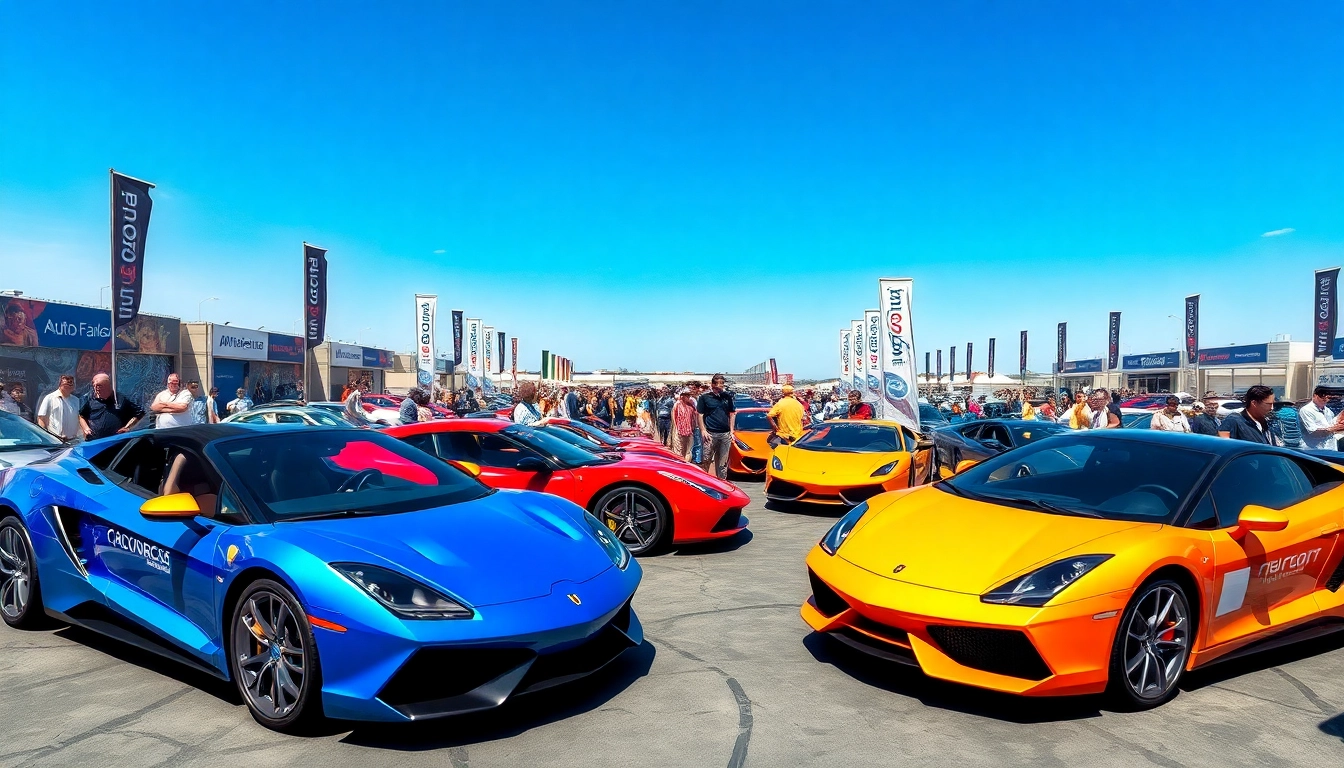
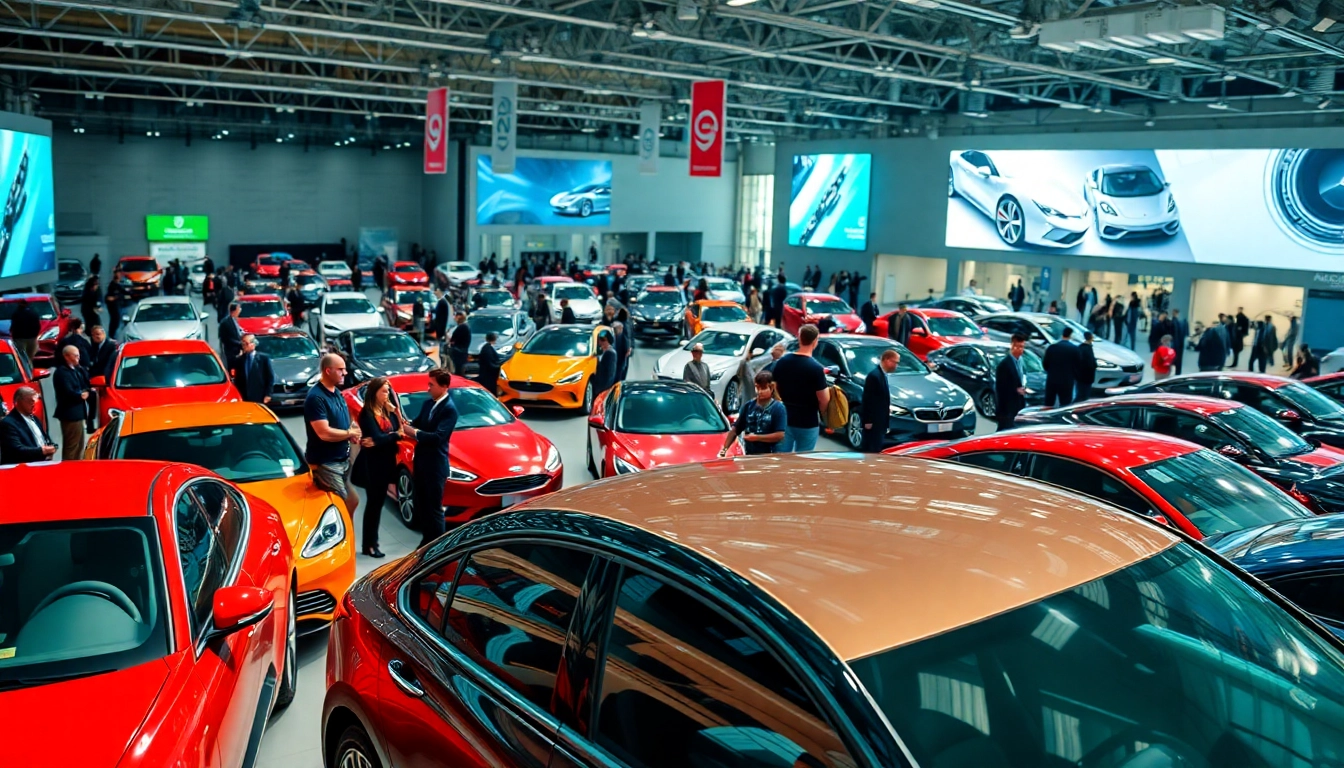
Attending an Auto Cars Show can be an exhilarating experience filled with diverse activities and opportunities. Visitors can expect to see a wide variety of vehicles, from concept cars to luxury models, each demonstrating the latest design philosophies and technologies. Many shows feature interactive presentations, allowing attendees to learn directly from industry experts and vehicle designers.
In addition, most auto car shows include a range of entertainment and attractions suited for all ages. Live events, such as stunt shows or vehicle demonstrations, can enhance the overall experience, captivating audiences with thrilling displays of performance and engineering. For family visitors, dedicated areas with activities for children ensure that auto shows appeal to a wide demographic, making it an enjoyable outing for everyone.
Top Features to Look Forward to at the Auto Cars Show
Showcasing the Latest Vehicle Models
The central highlight of any auto show is undoubtedly the unveiling of the latest vehicle models. Manufacturers typically reserve their most exciting launches for these events, presenting them as a prime opportunity to capture public and media attention. This not only boosts sales potential but also enhances brand reputation as industry leaders in innovation.
Visitors are often treated to exclusive previews of future models, allowing them to witness how designs, technologies, and features are evolving. The thrill of seeing new cars, particularly concept vehicles that may not yet be available for purchase, adds to the allure of these showcases. Attendees have the chance to interact with industry experts who provide valuable insights about each vehicle’s design purpose and expected market performance.
Interactive Technology Exhibits
As automotive technology advances, so too does the nature of presentations at auto shows. Modern events incorporate various interactive technology exhibits that allow visitors to engage with the latest advancements in automotive innovation. This includes virtual reality (VR) experiences, augmented reality (AR) displays, and hands-on demonstrations of vehicle features such as advanced driver-assistance systems (ADAS), infotainment technologies, and sustainable solutions.
Such engagement not only provides an unparalleled hands-on understanding of the technology but also reflects the industry’s commitment to transparency and consumer education. By actively involving attendees, manufacturers can demystify complex technologies and illustrate their practical benefits.
Opportunities for Test Drives
One of the most exciting aspects of attending an auto car show is the opportunity to test drive various models. Many shows incorporate dedicated areas where attendees can take vehicles for a spin, offering a firsthand experience of their performance, comfort, and handling. This is particularly valuable for consumers considering a vehicle purchase, as it allows for an informed decision based on personal experience rather than solely relying on marketing claims.
Moreover, these test drive opportunities often include the guidance of professional drivers who can provide insights into the features and capabilities of the vehicles, ensuring that attendees maximize their experience. It is not uncommon for such formats to include unique driving challenges or courses that showcase specific vehicle capabilities under real-world conditions.
Understanding the Attendee Experience
Networking Opportunities for Automotive Professionals
Auto shows serve as crucial networking hotspots for industry professionals. Manufacturers, suppliers, and service providers all converge at these events, making it an ideal setting for forging new partnerships and collaborations. This aspect of the auto show goes beyond mere business card exchanges; it involves discussions on potential synergies, joint ventures, and technological collaborations that can lead to groundbreaking developments within the industry.
Workshops, panel discussions, and speaker sessions further enhance the networking opportunities. Often led by industry leaders or innovators, these sessions provide valuable insights into emerging trends, marketing strategies, and supply chain solutions. For professionals, this knowledge can be instrumental in shaping business decisions and strategies moving forward.
Family-Friendly Activities and Attractions
To broaden the appeal of auto shows, many organizers incorporate family-friendly activities, creating an inclusive environment for visitors of all ages. Entertainment options include children’s areas with fun activities, educational booths focusing on automotive safety, and engaging contests related to car trivia or design.
This family-oriented approach helps cultivate a new generation of automotive enthusiasts, ensuring the industry’s longevity. By introducing children to vehicles and encouraging interactive participation, shows can spark interest in potential career paths aligned with the automotive field, fostering future professionals and consumers alike.
Tips for First-Time Attendees at Auto Cars Show
For first-time visitors, navigating an auto show can be daunting due to the vast array of exhibits and activities available. Here are some tips to make the most of the experience:
- Plan Ahead: Check the event schedule prior to arrival to identify workshops, launches, or demonstrations of interest. Having a plan helps in maximizing time.
- Wear Comfortable Shoes: Attendees often spend an entire day walking through expansive exhibit halls. Comfortable footwear can enhance overall enjoyment.
- Engage with Exhibitors: Don’t hesitate to ask questions at booths. Engaging with the staff can lead to insightful conversations and provide more depth to vehicle features.
- Utilize Show Guides: Most conferences provide maps and schedules. Familiarize yourself with the layout to ensure you do not miss any key areas or events.
- Take Breaks: Designate time for rest. Auto shows can be overwhelming, and taking breaks can help maintain energy levels throughout the day.
Marketing Strategies for Exhibitors at Auto Cars Show
Creating Engaging Booth Experiences
For exhibitors, creating an engaging booth experience is paramount to capture the attention of attendees. This can be achieved through immersive displays featuring the latest vehicle models, interactive demonstrations, and even virtual experiences that resonate with visitors. The goal is to create an environment that encourages participants to spend time at the booth, facilitating meaningful interactions between staff and potential customers.
Incorporating technology, such as tablets for information access or VR for test drives, can elevate the overall experience. Engaging elements like contests, giveaways, and exclusive event-only promotions can further entice attendees to visit, creating memorable connections and encouraging follow-up after the show.
Leveraging Social Media for Promotion
Social media serves as a powerful tool for promoting presence at auto shows. Prior to the event, exhibitors can build anticipation through teaser campaigns showcasing new models, unique experiences, or celebrity appearances. Real-time engagement during the event through live postings, behind-the-scenes looks, or interviews with industry experts keeps online communities engaged and informed.
Post-event follow-ups using social media help reinforce relationships built during the show, reminding attendees of the conversations had and establishing a lasting impression of the brand. Leveraging this platform facilitates enhanced visibility and can draw a larger crowd to the booth compared to traditional marketing methods.
Collecting Leads and Data during the Show
Collecting leads is a critical aspect of exhibiting at an auto show. Effective strategies for lead collection involve using digital forms or apps that allow attendees to register their interest effortlessly. Offering an incentive such as a chance to win prizes or exclusive discounts can improve participation rates. Additionally, digital options streamline data collection processes, enhancing organization and follow-up efforts post-event.
Having clear pathways of communication set up allows exhibitors to immediately engage with potential customers, nurturing relationships that can convert into sales. Having an efficient data collection system is pivotal for maximizing the return on investment for exhibitors.
Future Trends and Innovations in Auto Cars Shows
Electric and Autonomous Vehicles at the Forefront
The rise of electric and autonomous vehicles is reshaping the landscape of auto shows. As manufacturers pivot towards sustainability, auto shows have adjusted their strategies to highlight electric models and showcase innovations in self-driving technology. This focus not only reflects broader industry trends but also addresses the increasing consumer demand for environmentally-friendly alternatives.
Expect to see dedicated sections at auto shows dedicated to electric and hybrid vehicles, featuring discussions led by industry leaders on best practices for integration and market adoption. With the automotive world rapidly evolving, staying at the forefront of these changes is crucial for both attendees and exhibitors.
Virtual Reality and Augmented Reality Integration
Integrating virtual and augmented reality continues to deepen the immersive experience for attendees at auto shows. Through VR, visitors can experience driving simulations of new models, while AR can provide interactive information overlays on vehicles. These technologies not only enhance engagement levels but also allow attendees to visualize the benefits of advanced automotive features without needing to physically experience them all in a limited timeframe.
This technological integration also aids exhibitors in showcasing vehicle features more effectively, as it allows for an engaging, memorable presentation of their products.
How Auto Cars Shows Adapt to Changing Times
In response to changing times, auto shows have become increasingly flexible and adaptive. From embracing virtual components due to global events to reinventing in-person experiences, the industry is continuously evolving. Hybrid models that blend physical attendance with digital engagement are becoming the norm, ensuring accessibility for a broader audience.
Events may also see an increased focus on sustainability practices, from eco-friendly booth designs to waste reduction initiatives, aligning with consumer preferences for environmentally conscious products. Adapting to shifting market dynamics is essential for the future success of auto shows, ensuring they remain relevant and appealing to attendees and exhibitors alike.
Conclusion
Auto car shows are much more than just displays of vehicles; they embody the spirit of innovation and community within the automotive industry. By understanding the history and evolution of these events, recognizing their importance, and embracing future trends, industry professionals and enthusiasts alike can fully appreciate and engage with the rich tapestry of experiences that auto shows have to offer. Whether you’re a first-time attendee or a seasoned professional, the excitement, knowledge, and networking opportunities available at the Auto Cars Show are invaluable to shaping the future of automotive culture.