
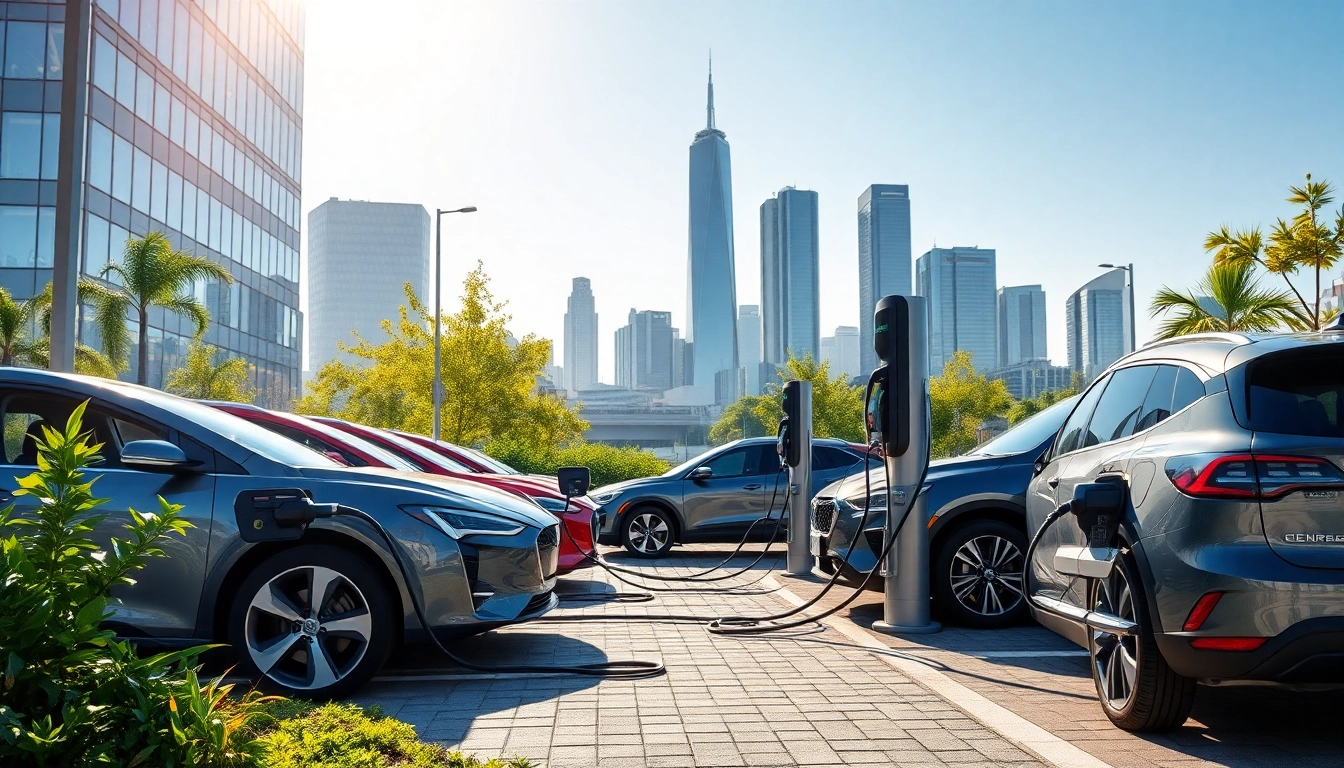
The Evolution of EV Charging Solutions
The realm of EV charging solutions has undergone remarkable transformation since the inception of electric vehicles. The historical trajectory has reflected not only the advancements in vehicle technology but also the growing public demand for sustainable transport options. This evolution is marked by significant trends, technological breakthroughs, and an eye toward future infrastructure developments.
History and Trends in EV Charging
The journey of electric vehicle (EV) charging solutions began with simple home-based charging units designed for use with the first electric cars. Initially, these charging mechanisms were rudimentary, offering limited power outputs that constrained charging speeds and usability. As public interest in electric vehicles grew, the charging technology began to advance.
By the 2010s, the widespread push for electric vehicles ignited a transformation in charging infrastructure. Different levels of charging solutions emerged, including Level 1, Level 2, and DC fast chargers. Level 1 chargers utilize standard household outlets, whereas Level 2 chargers require 240 volts, delivering significantly faster charges suitable for home and public settings. DC fast chargers emerged for commercial use, enabling users to recharge their vehicles to 80% in about 30 minutes. This marked a pivotal trend as consumers prioritized convenience and efficiency.
Current Technology Advancements
Today, EV charging solutions feature sophisticated technologies like smart charging, integration with mobile applications, and real-time monitoring systems. Smart charging allows users to optimize charging times based on electricity rates, taking advantage of off-peak pricing. Furthermore, many charging stations are equipped with renewable energy sources, showcasing a commitment to sustainability.
Chargers are becoming more user-friendly, requiring minimal effort to operate. Some stations utilize app platforms to guide users to available chargers and share information about power output, availability, and payment processing. Advances in wireless charging and ultra-fast charging systems, capable of delivering 300 kW or more, further highlight the dynamic and evolving landscape of EV charging technology.
Future Predictions in Charging Infrastructure
The future of EV charging infrastructure appears poised for extensive growth and innovation. As electric vehicle adoption continues to rise, city planners and businesses are looking to expand charging networks to accommodate the increasing number of EVs on the road.
Predictions for the future include a wider integration of charging stations in public spaces such as shopping malls, workplaces, and along highways. Moreover, the emergence of vehicle-to-grid (V2G) technology may enable EVs to not only draw power from the grid but also return excess energy. This presents opportunities for enhanced energy management and sustainability initiatives.
Types of EV Charging Solutions
The diversity in EV charging solutions can be classified into several types, each serving unique purposes and environments. Understanding these types is essential for choosing the ideal charging solution based on specific needs.
Home-Based Charging Solutions
Home charging solutions provide convenience and flexibility for EV owners. There are primarily two options: Level 1 and Level 2 chargers. Level 1 chargers are easy to install and utilize standard household outlets. However, due to their slower charging capability (adding about 4 to 5 miles of range per hour), they may not be suitable for those who frequently drive long distances.
Level 2 chargers, on the other hand, require professional installation and can fully charge an electric vehicle overnight, adding approximately 25 to 30 miles of range per hour. These systems often come equipped with smart features and are essential for any homeowner looking to optimize their EV charging experience.
Public Charging Infrastructure
Public charging infrastructure is crucial for supporting the widespread adoption of electric vehicles. These installations vary in terms of charging speeds and location types. Public chargers can be found in towns, municipalities, commercial areas, and along major highways, allowing drivers to recharge while running errands or during long-distance travel.
A mix of Level 2 and DC fast chargers populate these locations, providing options suited for different charging needs. DC fast chargers offer the most significant advantage for long trips, allowing drivers to quickly recharge while minimizing downtime.
Fast Charging Options and Benefits
Fast charging options are essential in reducing range anxiety and making electric vehicles more viable for the average consumer. DC fast chargers deliver high-output power, allowing for rapid charging sessions that can significantly shorten waiting times. Many fast chargers can provide an 80% charge in approximately 30 minutes, making them an attractive choice for travelers.
Additionally, many fast chargers utilize renewable energy sources, aligning with the overall goal of creating a sustainable, eco-friendly transportation network. As charging networks expand, the accessibility and convenience of fast charging options propel the growth of electric vehicle adoption.
How to Choose the Right EV Charging Solutions
Selecting the appropriate EV charging solutions requires careful consideration of multiple factors. Understanding your charging needs and installation capabilities can streamline this process and ensure you select a suitable solution.
Assessing Your Charging Needs
The first step in choosing the right EV charging solution involves assessing your specific charging needs. Consider your daily driving habits, the range of your electric vehicle, and how frequently you will need to charge. If you regularly commute long distances, installing a Level 2 charger at home may be the most efficient solution.
For urban dwellers with limited parking options, public charging stations should be prioritized, making it essential to find reliable networks in your area. Evaluate usage patterns, as they directly influence which charging solutions will be the most beneficial.
Evaluating Installation Costs
Another critical decision point is understanding the installation costs associated with selecting various charging solutions. Home installation of a Level 2 charger can typically range from $500 to $1,500, factoring in labor and equipment expenses. In contrast, public charging infrastructure costs depend significantly on the chosen location and installation requirements, which can lead to varying price points.
Establishing a clear budget will help inform your choices and potentially lead to exploring available tax credits or incentives aimed at encouraging EV adoption.
Understanding Power Requirements
Understanding the power requirements necessary for your chosen charging solution is vital to avoid installation headaches. Charge output is categorized primarily into three levels: Level 1, Level 2, and DC fast charging, each requiring different electrical capabilities.
Level 1 chargers typically function using standard 120-volt outlets, whereas Level 2 chargers require 240-volt outlets and may necessitate panel upgrades. Lastly, DC fast chargers demand significantly more power, often requiring assistance from professional contractors to ensure proper installation, thus influencing your overall budget.
Impact of EV Charging Solutions on the Environment
Integration of EV charging solutions has far-reaching implications for environmental sustainability. Transitioning from fossil fuels to electric-powered vehicles has the potential to significantly decrease greenhouse gas emissions and enhance air quality.
Reducing Carbon Footprint
The widespread adoption of electric vehicles, coupled with the expansion of charging solutions, plays a crucial role in reducing the carbon footprint. Electric vehicles produce zero tailpipe emissions, unlike their gasoline counterparts, which significantly contributes to cleaner air and a healthier environment.
Furthermore, the integration of renewable energy sources like solar and wind power in charging solutions amplifies this environmental benefit. Studies indicate a marked reduction in carbon emissions, aligning the goals of EV adoption with global sustainability targets.
Supporting Renewable Energy Usage
EV charging solutions can facilitate increased usage of renewable energy sources. As consumers demand cleaner energy options, many charging stations have begun integrating solar panels and wind turbines to generate sustainable power. This synergy promotes energy independence while fostering a cleaner grid.
Smart technology in charging stations supports demand response strategies, making it possible to draw energy from renewables when production is high, thus optimizing utilization and promoting an environmentally responsible energy landscape.
Urban Planning and Sustainability
The integration of EV charging solutions fundamentally shapes urban planning and sustainability efforts. Policymakers are increasingly recognizing the necessity of designing cities that accommodate electric vehicles and their infrastructure needs. By integrating charging solutions into city plans, officials can encourage EV adoption and create a future-oriented urban environment.
Sustainable city designs that incorporate charging stations not only facilitate ease of access for drivers but also promote the growth of mixed-use developments that prioritize green transportation solutions. These developments set a precedent for healthier living environments and reduced vehicular congestion.
FAQs About EV Charging Solutions
What are the primary benefits of EV charging solutions?
EV charging solutions reduce dependency on fossil fuels, promote renewable energy use, and improve air quality, thus contributing to a sustainable environment.
How long does it take to charge an electric vehicle?
Charging times vary based on vehicle type and charger type, typically taking 30 minutes for fast chargers and several hours for home chargers.
Are public EV charging solutions widely available?
Yes, public EV charging stations are increasingly common, found in urban areas, shopping centers, and alongside highways to accommodate drivers.
Is using EV charging solutions cost-effective?
Overall cost-effectiveness varies based on local electricity rates and installation costs, but many users report significant savings compared to traditional gasoline vehicles.
Can I install EV charging solutions at home?
Yes, many EV homeowners opt for at-home charging installations that can be tailored based on vehicle specifications and available power supply.