What is Platinum?
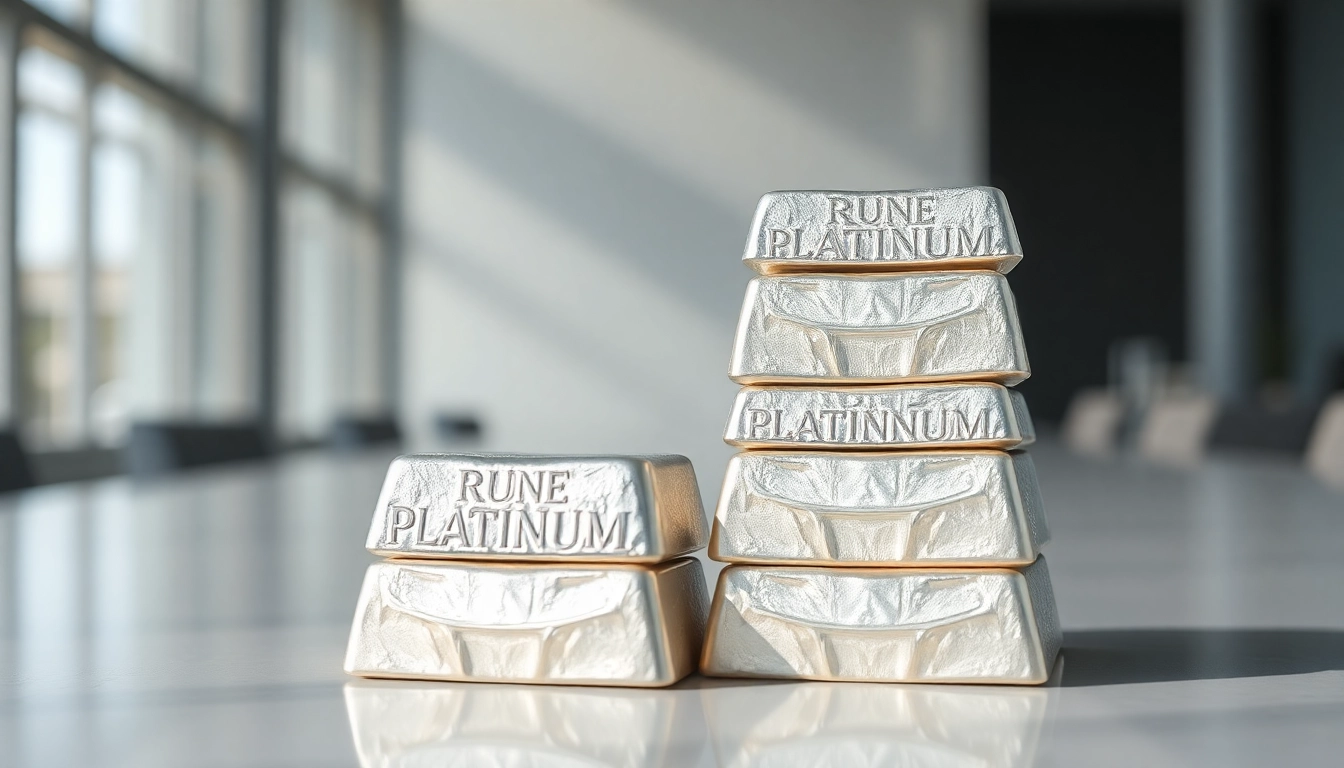
Platinum is a rare and precious metal known for its distinctive properties and uses across various industries. It has significant importance due to its density, malleability, ductility, and resistance to corrosion. Unlike many other metals, platinum boasts a bright silver-white appearance that does not tarnish, making it a highly sought-after material for jewelry and industrial applications alike. The platinum market has gained attention not just for its beauty but also for its pivotal role in technology and investment sectors.
Overview of Platinum Properties
Platinum is characterized by its remarkable physical and chemical properties. It has a high melting point of approximately 1,768 °C (3,214 °F), which makes it an excellent choice for various high-temperature applications. The metal is relatively heavy, with a density of about 21.4 grams per cubic centimeter, making it heavier than gold and silver. Additionally, platinum is highly malleable and ductile, allowing it to be drawn into thin wires or hammered into extremely thin sheets.
Chemical Characteristics of Platinum
Platinum is categorized under the group 10 elements of the periodic table, with the atomic number 78 and the chemical symbol Pt. It is remarkably unreactive and resistant to oxidation, which is why it remains shiny and intact for long periods, even when exposed to air. The metal can react with halogens and cyanides but largely remains inert with most other substances. These chemical characteristics are crucial in applications ranging from jewelry making to catalysis in industrial reactions.
Rarity and Distribution of Platinum
One of the key factors influencing the value of platinum is its rarity. The metal is found mostly in alluvial deposits and in conjunction with nickel and copper ores. Major mining locations include South Africa, Russia, and Zimbabwe. Globally, platinum is extracted at only about a tenth of the rate of gold, which significantly contributes to its high value. This limited supply has made it a strategic asset in investment portfolios, drawing both collectors and investors alike.
Uses of Platinum in Everyday Life
Platinum in Jewelry Design
Platinum is perhaps best known for its aesthetic appeal in jewelry. Its natural white hue enhances the brilliance of gemstones, making it a preferred metal for engagement rings and luxury pieces. Platinum jewelry is favored for its hypoallergenic properties, providing comfort for individuals with sensitive skin. Additionally, the longevity of platinum means that fine jewelry can last a lifetime, making it a popular choice for heirloom pieces. Designers often incorporate intricate detailing with platinum due to its workability.
Industrial Applications of Platinum
Beyond adornment, platinum plays a crucial role in various industrial applications. It is used as a catalyst in chemical reactions, particularly in the petroleum refining process and the production of nitric acid. Its exceptional ability to withstand high temperatures and resist corrosive environments makes it invaluable in laboratory equipment and processes. Moreover, platinum-based catalysts are now making strides in green technologies, aiming to reduce harmful emissions.
Platinum in the Automotive Industry
In the automotive industry, platinum is essential in the production of catalytic converters, which help reduce harmful emissions from vehicles. The metal aids in converting toxic gases into less harmful substances, significantly contributing to environmental protection efforts. As automotive technology evolves towards hybrid and electric vehicles, platinum continues to hold promise in applications such as fuel cells, which are being explored as alternatives to traditional combustion engines.
The Value of Platinum as an Investment
Historical Price Trends of Platinum
Platinum has seen fluctuating price trends over the decades, often influenced by economic conditions, industrial demand, and mining output. Its price typically varies more widely than gold or silver due to its limited supply and niche applications. Historical data suggests that while platinum has moments of value escalation, it can also experience sharp declines, requiring investors to stay informed about market dynamics.
Comparing Platinum to Other Precious Metals
When comparing precious metals, platinum, gold, and silver each possess unique investment characteristics. While gold often serves as a hedge against inflation, platinum’s value can be more volatile based on industrial demand. Moreover, the rarity of platinum typically allows it to fetch higher prices than gold in certain market conditions. Investors should consider these differences when building diversified portfolios to mitigate risk.
How to Invest in Platinum
Investing in platinum can be achieved through various methods, including purchasing physical platinum in forms such as bullion or coins, investing in platinum exchange-traded funds (ETFs), or engaging in futures trading. Physical investments provide intrinsic value and a tangible asset, while ETFs offer easier liquidity and lower storage costs. It’s essential for investors to evaluate their risk tolerance and investment goals when deciding the best approach to investing in platinum.
Environmental and Ethical Considerations
Sustainable Mining Practices for Platinum
As awareness of environmental issues rises, sustainable mining practices for platinum are becoming increasingly essential. Mining operations must address waste management, habitat preservation, and responsible water use. Implementing more energy-efficient techniques and adhering to environmental regulations can help align the mining sector with sustainable development goals, ensuring that platinum remains viable for future generations while minimizing ecological footprints.
The Impact of Platinum Mining on Communities
Platinum mining has profound implications for local communities, especially those in rural regions. While it can provide economic opportunities and job creation, there can also be adverse effects, such as displacement and environmental degradation. Companies and stakeholders must collaborate with local populations to ensure that the benefits of platinum mining reach the communities involved, fostering social development as well as economic growth.
Ethical Sourcing of Platinum
With the rise of ethical consumerism, the sourcing of platinum has come under scrutiny. Consumers are increasingly interested in how platinum is mined and processed, pushing for transparency in supply chains. Responsible mining practices that promote human rights, fair labor standards, and environmental stewardship are critical for enhancing platinum’s reputation as a valuable investment while addressing ethical concerns in the industry.
FAQs about Platinum
Is platinum more valuable than gold?
While both metals are precious, platinum is typically rarer and can command a higher price than gold, depending on market conditions.
What are the main industrial uses of platinum?
Platinum is widely used as a catalyst in chemical reactions, in automotive catalytic converters, and in various laboratory equipment.
How is platinum mined?
Platinum is extracted primarily through underground mining and alluvial methods, requiring advanced techniques due to its underground locations.
What is the platinum price tracking method?
Platinum prices are tracked based on market demand and supply, typically assessed per ounce in global markets influenced by economic factors.
Can platinum be recycled?
Yes, platinum is highly recyclable and is often recovered from scrap jewelry and industrial applications, which reduces the need for new mining.