The Magic of Kora Live Events
Live music has an extraordinary power to unite people, create memories, and offer experiences that transcend the mundane. Kora live events symbolize this enchantment, showcasing both the unique sounds of the kora—a traditional West African string instrument—and the dynamic interactions between performers and audiences. In this article, we will explore the fascinating world of Kora live events, understanding what they are, how they have evolved, and the crucial roles both artists and audiences play in crafting unforgettable experiences.
What is Kora Live?
Kora live refers to performances that showcase the kora, a beautifully intricate instrument with a rich, resonant sound. Originating from the Mandinka people of West Africa, the kora is typically made from a large calabash cut in half and covered with cowskin, with twenty-one strings elegantly stretched across. Kora live performances often bring together traditional melodies and contemporary influences, engaging audiences through both music and storytelling.
These events not only highlight the artistry of kora musicians but also serve as cultural touchstones, preserving the history and narratives of the regions from which they originate. Kora live events are characterized by their communal atmosphere, where the audience’s energy and engagement significantly enrich the performance.
The Evolution of Live Music
The concept of live music has undergone considerable transformation over the decades. Originally rooted in communal gatherings and rituals, live performances have progressively evolved into commercial events. The 20th century saw the rise of various music genres, leading to multiple performance styles and venues. Technology, from amplification to streaming, has further shifted how live music is produced and consumed.
In recent years, there has been a resurgence of interest in traditional music forms, including kora performances. This comeback reflects a broader trend towards authenticity and a quest for genuine experiences in a digital age. Audiences are no longer solely passive listeners; they seek meaningful interactions and connections with performers, making Kora live events central to this contemporary live music evolution.
The Role of the Audience in Live Performances
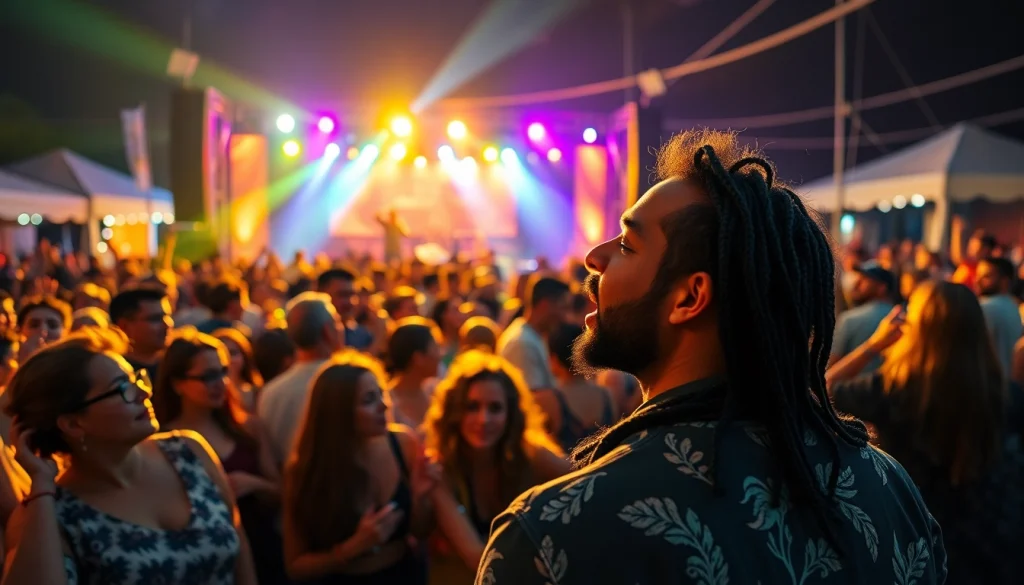
The audience at Kora live events is not merely present but actively contributes to the performance experience. Their enthusiasm, responsiveness, and willingness to engage can elevate an ordinary concert into a spectacular event. This interaction can take many forms, ranging from clapping and singing along to participating in call-and-response sequences that are traditional in African music.
Furthermore, audience feedback can guide performers, influencing setlists and performance styles. Musicians attuned to their audience’s energy often perform with greater passion and improvisation, enriching the live experience. This dynamic underscores the symbiotic relationship between artists and their audiences, making every Kora live performance a unique, shared experience.
Planning an Exceptional Kora Live Experience
Choosing the Right Venue
The venue plays a crucial role in shaping the atmosphere of a Kora live event. Selecting the right location can enhance the audio-visual experience and influence audience engagement. Factors to consider include acoustics, capacity, accessibility, and ambiance. A venue that resonates well acoustically will ensure the kora’s unique sound captures the audience’s attention.
Intimate settings, such as small theaters or outdoor spaces, often provide more direct interactions between performers and audiences. The choice of venue should also reflect the cultural significance of the kora, ideally incorporating elements that celebrate West African heritage.
Marketing Strategies for Kora Live Events
Effective marketing strategies are essential for promoting Kora live events and attracting diverse audiences. Social media platforms are invaluable tools, allowing for targeted ads, engaging content sharing, and community interaction. Visual content showcasing past performances can intrigue potential audience members while conveying the vibrancy and excitement of live kora music.
Collaborating with local cultural organizations and influencers can further extend reach and credibility. Highlighting the event’s cultural significance helps foster a sense of unity and community involvement, drawing in those who appreciate authentic musical experiences.
Understanding Your Audience for Better Engagement
Knowing your audience is fundamental to fostering engagement during a Kora live event. Conducting surveys and utilizing social media insights can offer valuable clues about audience demographics and preferences. Understanding these factors enables event organizers to tailor performances, marketing strategies, and interactive elements according to audience expectations.
Engaging with audiences before, during, and after events also enhances loyalty and satisfaction. Chatting with attendees, gathering feedback, and even offering opportunities for attendees to share their own stories can create a deeper connection, making them feel like integral parts of the performance journey.
Creating Memorable Kora Live Performances
Expert Tips for Performers
Performers can adopt specific techniques to create more engaging Kora live experiences. Emphasizing storytelling as part of the performance illuminates the cultural heritage behind the music. Musicians who share personal anecdotes or historical context tied to certain tunes can enhance the audience’s appreciation and emotional connection to the performance.
Moreover, improvisation is a key characteristic of kora music. Encouraging spontaneous creativity not only showcases the artist’s versatility but also invites the audience to engage more deeply, as they never quite know what to expect. This unpredictability can lead to electrifying performances that resonate long after the final note has faded.
Engaging Visuals to Enhance the Performance
The visual elements of a Kora live performance significantly contribute to the overall experience. Incorporating captivating visuals, such as projections of cultural imagery or dynamic stage lighting, can draw the audience into the performance’s atmosphere. Costumes that reflect traditional values or color schemes associated with the music can also add a stunning visual layer.
Furthermore, exploring multicultural collaborations can introduce new visual elements, extending the performance’s appeal and outreach. Engaging dancers or multimedia displays alongside the musical performance can provide a holistic sensory experience, merging visual art with sound in innovative ways.
Sound Quality: Ensuring the Best Experience
Sound quality is paramount at Kora live events. The unique tonal qualities of the kora demand specialized attention during setup and sound checks. Ensuring that the sound system complements the instrument—rather than overpower it—is crucial for maintaining the integrity of the music.
Utilizing professional sound engineers who understand traditional instruments can help in achieving the best audio experience. Performing live sound checks before the audience’s arrival further allows artists to adjust settings based on acoustics specific to the venue, ensuring optimal clarity and resonance throughout the performance.
Post-Event Strategies for Kora Live
Gathering Audience Feedback
The period following a Kora live event presents a valuable opportunity to engage and learn from the audience. Gathering feedback is essential for assessing the success of various elements, such as performance quality, venue choice, and overall experience. Surveys can be shared via social media or follow-up emails, enabling the collection of insights that guide future events.
Being responsive to feedback not only shows audiences that their opinions are valued but also cultivates a sense of loyalty and trust, increasing the chances of their participation in future performances.
Leveraging Social Media for Continued Engagement
Social media can be a powerful tool for maintaining engagement long after the Kora live event has concluded. Sharing highlights, videos, and photographs from the performance allows audiences to relive their experiences and fosters a sense of community around the event. Creative use of hashtags can help create an ongoing conversation surrounding the event and the broader kora community.
Moreover, engaging in discussions with audiences, responding to comments, and prompting audience members to share their own footage can further extend reach and promote lasting connections.
Planning for Future Events Based on Insights
Insights gathered from audience feedback and social media engagements can significantly inform the planning of future Kora live events. Identifying aspects that resonated most with the audience can guide decisions regarding setlists, venues, and promotional strategies. The flexibility to adapt based on audience responses fosters not only improvement but also a more tailored experience that resonates with both loyal fans and newcomers.
Creating a culture of continuous improvement will keep audiences eager for more, ensuring that each Kora live performance is not just a repeat of the last but a step forward into new artistic expressions and experiential heights.
The Impact of Kora Live on the Music Industry
How Kora Live Transforms Artist Visibility
Kora live events play a significant role in enhancing artist visibility in today’s competitive music industry landscape. By providing a platform for musicians to showcase their talents and connect with audiences, Kora live performances have the potential to elevate an artist’s profile dramatically. Collaborations with established artists in different genres can further amplify visibility, leading to opportunities beyond the kora community.
Moreover, the rise of global interest in world music creates a fertile ground for Kora artists to share their craft, not just locally but on an international stage as well. This phenomenon is key in creating diverse music ecosystems, where the cross-pollination of styles frequently occurs, shaping the future of modern music.
Economic Benefits of Live Music Events
Kora live events can also yield significant economic benefits. They serve as catalysts for local economies, attracting audiences who might support nearby businesses, such as restaurants and hotels. Beyond direct economic contributions, these events can foster long-term tourism, promoting cultural awareness and exchange.
The economic impact is not limited to immediate revenue; it extends to the growth of the local music scene, which can encourage further artistic endeavors, community engagement, and collaboration among artists, venues, and schools.
Case Studies of Successful Kora Live Events
To understand the full impact of Kora live events, it’s beneficial to examine specific case studies that illustrate their potential for artistic success and community engagement. One notable example is the annual Festival of Kora, held in various West African countries. These festivals not only draw thousands of attendees but also feature collaborations among local artists, international musicians, and cultural workshops that educate audiences about the rich history of the kora.
Another successful case occurred in the United States, where a series of Kora live performances were organized in collaboration with established traditional and contemporary musicians. This highlighted the universality of music, successfully bridging cultural divides and attracting diverse audiences.
These examples show how Kora live events serve not just as performances but as vital cultural experiences, fostering connection, engagement, and understanding among varied audiences across different geographies.