
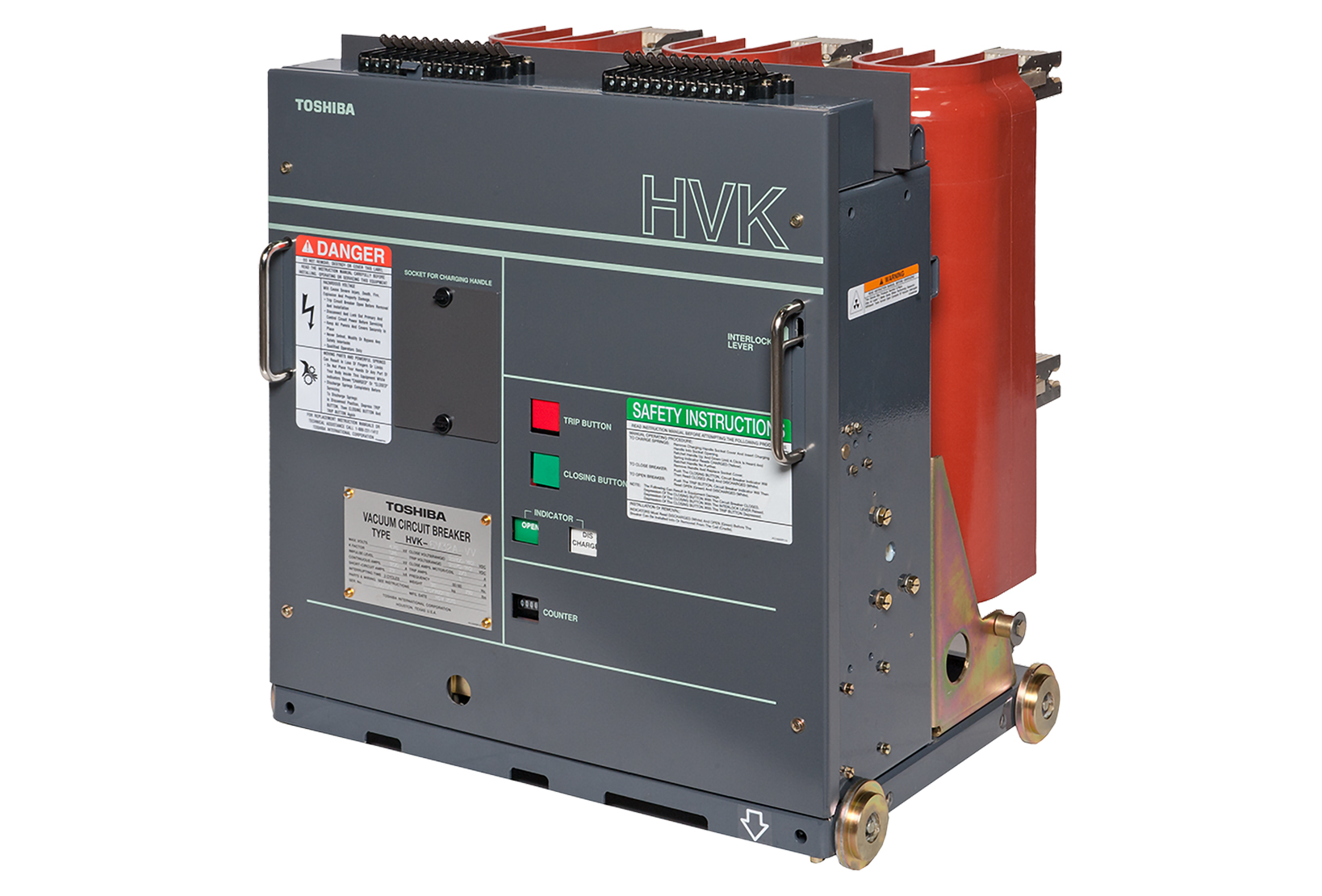
Introduction to Vacuum Circuit Breaker Maintenance
A vacuum circuit breaker is a crucial device used in medium-voltage systems to ensure electrical safety, protect equipment, and maintain operational efficiency. Regular maintenance of a vacuum circuit breaker is essential to prevent failures, extend service life, and guarantee reliable fault interruption. Proper care of a vacuum circuit breaker reduces downtime, ensures consistent performance, and safeguards critical electrical equipment from short circuits, overloads, and other electrical faults. By following a structured Vacuum circuit breaker maintenance routine, operators can identify potential issues early and address them before they escalate into costly problems. Maintenance activities focus on checking mechanical, electrical, and insulation components of the vacuum circuit breaker, as well as monitoring operational parameters. A well-maintained vacuum circuit breaker provides high reliability, minimal maintenance costs, and long-term operational stability. This step-by-step vacuum circuit breaker maintenance checklist ensures that your electrical system remains safe, efficient, and fully operational at all times.
Step 1: Visual Inspection
The first step in vacuum circuit breaker maintenance is a thorough visual inspection. Inspect the breaker for any signs of physical damage, corrosion, or loose connections. Check for dust, dirt, or moisture on the exterior surfaces and within the switchgear compartment. Ensure that all mounting bolts, connectors, and terminals are secure. A careful visual inspection helps identify early signs of wear or environmental damage that could compromise the vacuum circuit breaker performance.
Step 2: Mechanical Operation Check
Manual Operation Test
Test the mechanical operation of the vacuum circuit breaker by manually opening and closing the contacts. Observe the smoothness of movement and ensure that no unusual resistance or noise occurs. This confirms that the operating mechanism is functioning correctly and that the vacuum circuit breaker can perform reliable switching during faults.
Motor and Spring Mechanism Inspection
For spring-operated or motor-operated vacuum circuit breaker types, check the condition of springs, gears, and motor assemblies. Lubricate moving parts as per manufacturer guidelines to prevent wear and maintain efficient operation. Proper maintenance of the mechanical system ensures the vacuum circuit breaker operates accurately and reliably over time.
Step 3: Electrical Testing
Contact Resistance Measurement
Measure the contact resistance of the vacuum circuit breaker using a micro-ohmmeter. Low and stable resistance values indicate good electrical contact. High or fluctuating resistance could signal contact wear or contamination, which may affect the breaker’s fault interruption performance.
Insulation Resistance Test
Perform insulation resistance tests on the vacuum circuit breaker to verify the integrity of its insulation. Use a megohmmeter to check phase-to-phase and phase-to-ground insulation. Adequate insulation resistance ensures that the vacuum circuit breaker will prevent leakage currents and maintain electrical safety.
Timing Test
Conduct opening and closing timing tests to ensure the vacuum circuit breaker operates within the specified speed limits. Accurate timing is critical for effective fault clearance and protection of connected equipment. Deviations may indicate issues with the operating mechanism or control system.
Step 4: Vacuum Interrupter Examination
The vacuum interrupter is the heart of the vacuum circuit breaker. Check for signs of arcing, contact erosion, or gas leakage. Most modern vacuum circuit breaker units are sealed, but monitoring performance parameters and previous operation cycles helps detect potential problems. Replace or service the interrupter if necessary to maintain reliable arc extinction.
Step 5: Control and Auxiliary System Check
Inspect control wiring, auxiliary contacts, and trip coils of the vacuum circuit breaker. Ensure all electrical connections are tight, free from corrosion, and functioning correctly. Test trip and close circuits to verify proper operation. A well-maintained control system ensures that the vacuum circuit breaker responds accurately during fault conditions.
Step 6: Environmental and Safety Considerations
Ensure that the environment surrounding the vacuum circuit breaker is clean, dry, and free from dust or moisture accumulation. Proper ventilation and temperature control prevent overheating and premature degradation. Follow all safety protocols during maintenance to protect personnel and prevent accidental operation of the vacuum circuit breaker.
Step 7: Documentation and Reporting
Maintain detailed records of all maintenance activities, including test results, observations, and corrective actions. Documentation helps track the health of the vacuum circuit breaker, plan future maintenance, and comply with regulatory or safety standards. A well-documented maintenance routine contributes to long-term reliability and optimal performance.
Why Choose Us for Vacuum Circuit Breaker Solutions
At Aierway, we specialize in high-quality vacuum circuit breaker manufacturing and maintenance solutions. Our expertise ensures that every vacuum circuit breaker operates efficiently, safely, and reliably. We provide comprehensive guidance for installation, operation, and preventive maintenance to extend the life of your equipment. Choosing Aierway guarantees professional support, reliable vacuum circuit breaker units, and adherence to international safety standards. Our experienced team helps clients implement structured maintenance routines to maximize operational uptime and system protection. With Aierway, you receive trusted vacuum circuit breaker solutions designed to safeguard electrical infrastructure and maintain uninterrupted performance.
Frequently Asked Questions (FAQs)
1. How often should vacuum circuit breaker maintenance be performed?
Routine maintenance should be conducted at least once a year, with more frequent checks in high-load or harsh environments to ensure optimal performance.
2. What are the most critical maintenance steps for a vacuum circuit breaker?
Key steps include visual inspection, mechanical operation tests, electrical testing, vacuum interrupter checks, control system verification, and environmental monitoring.
3. Can vacuum circuit breakers be maintained while energized?
No, maintenance should always be performed with the breaker de-energized and following proper safety procedures to prevent accidents.
4. How does maintenance improve the life of a vacuum circuit breaker?
Regular maintenance ensures contacts, insulation, and mechanical components remain in optimal condition, reducing wear, preventing faults, and extending operational life.
5. Why choose Aierway for vacuum circuit breaker maintenance guidance?
Aierway provides expert support, comprehensive checklists, and high-quality vacuum circuit breaker units that guarantee reliable electrical system protection.
Conclusion
A systematic vacuum circuit breaker maintenance checklist is essential for ensuring equipment reliability, safety, and long-term operational efficiency. Following steps such as visual inspection, mechanical and electrical testing, vacuum interrupter monitoring, and control system checks helps identify potential issues before they cause failures. Aierway provides expert solutions and guidance to implement structured maintenance routines, ensuring that every vacuum circuit breaker operates at peak performance. Proper maintenance not only extends the lifespan of the vacuum circuit breaker but also safeguards connected electrical equipment, minimizes downtime, and enhances the safety of power distribution systems.